Preclinical toxicology studies and Pharmaceutical Applications of n-Docosanol
n-Docosanol is a long-chain alkyl alcohol that appears as a white to off-white solid powder at room temperature and under normal pressure. It exhibits the general physicochemical properties typical of alkyl alcohols, possessing certain solubility in water and being soluble in most organic solvents. As a saturated fatty alcohol, n-docosanol is used in the cosmetics industry as an emollient, emulsifier, and thickener. It also serves as a nutritional supplement and is widely applied in the personal care, cleaning, and health product sectors.
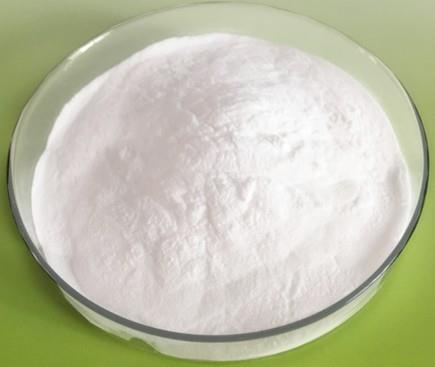
Figure1: Picture of n-Docosanol
Overview
n-Docosanol is produced through the hydrogenation of fatty acid mixtures extracted from various plant sources or fossil fuels, yielding corresponding fatty alcohol mixtures from which n-docosanol is subsequently purified via fractional vacuum distillation. The purified compound is highly lipophilic and extremely insoluble, characteristics that have led conventional wisdom to regard this molecule and its analogues as biologically inert. However, when appropriately formulated, n-docosanol exhibits broad-spectrum antiviral activity with marked specificity for lipid-enveloped viruses, including herpes simplex virus types 1 and 2, respiratory syncytial virus, murine and human cytomegalovirus, and certain retroviruses (unpublished data), while showing no activity against the non-enveloped poliovirus. Importantly, in contrast to alcohols with 20 or fewer carbon atoms, which display varying degrees of toxicity, n-docosanol is essentially non-toxic to cultured cell lines, experimental animals, and human volunteers. This combination of broad-spectrum antiviral efficacy and minimal to no toxicity underscores the significant therapeutic potential of n-docosanol for the treatment of diseases in both humans and animals. [1]
Preclinical toxicology studies
Preclinical toxicology studies conducted on the topical formulation of n-Docosanol have demonstrated that, when evaluated using standard protocols, n-Docosanol is devoid of toxic, mutagenic, or teratogenic effects. Under an Investigational New Drug (IND) application approved by the U.S. Food and Drug Administration in August 1991, Phase I clinical safety studies in human subjects were completed, confirming that the topical formulation of n-Docosanol is safe for human use. Subsequently, n-Docosanol advanced into Phase II clinical trials as a topical treatment for both oral and genital herpes infections, with studies initiated in late 1992 across the United States and Europe. Results from these double-blind, placebo-controlled trials are anticipated by the end of 1993, and if supported by the data, expanded multicenter Phase III trials of n-Docosanol are scheduled to commence in early 1994. [1]
Pharmaceutical Applications
n-Docosanol is a long-chain (C-22) saturated fatty alcohol with antiviral activity against herpes simplex virus (HSV) and has been approved by the U.S. Food and Drug Administration as a pharmaceutical drug for the treatment of HSV-induced cold sores. In addition to its efficacy against HSV, n-docosanol has demonstrated potent inhibitory effects against a broad range of enveloped viruses, including cytomegalovirus, human immunodeficiency virus (HIV), respiratory syncytial virus (RSV), influenza A virus, and murine Friend leukemia virus. Notably, n-docosanol is characterized by its absence of toxicity, mutagenicity, or teratogenicity in eukaryotic cells, even at concentrations as high as 300 mM, positioning it as a favorable therapeutic option for viral infections. Interestingly, n-docosanol has been shown to be endogenously produced in the human body and is also present in various natural food sources such as olive oil, fish oil, sunflower seeds, lettuce leaves, beeswax, and apples. Although some studies indicate that n-docosanol does not exert a direct antiviral effect, it undergoes intracellular metabolic conversion that prevents viral entry, thereby enabling cells to abort the infectious cycle of many enveloped viruses. Moreover, n-docosanol can inhibit infections caused by enveloped viruses that induce either fusion from without (FFWO) or fusion from within (FFWI). In the present study, we evaluated the therapeutic efficacy of n-docosanol against Newcastle disease virus (NDV) infection and viral shedding in chickens. [2]
Reference
[1] Katz D H, Marcelletti J F, Pope L E, et al. n-Docosanol: broad spectrum anti-viral activity against lipid-enveloped viruses[J]. Annals of the New York Academy of Sciences-Paper Edition, 1994, 724: 472-488.
[2] Orabi A, Hussein A, Saleh A A, et al. Therapeutic efficacy of n-Docosanol against velogenic Newcastle disease virus infection in domestic chickens[J]. Frontiers in microbiology, 2022, 13: 1049037.

You may like
See also
Lastest Price from n-Docosanol manufacturers

US $0.00-0.00/kg2025-06-13
- CAS:
- 661-19-8
- Min. Order:
- 0.0001kg
- Purity:
- 99.99%
- Supply Ability:
- 10000000kg
US $1.00/g2025-06-02
- CAS:
- 661-19-8
- Min. Order:
- 1g
- Purity:
- 0.99
- Supply Ability:
- 20 tons