Preparation method and Bioactivity of Madecassoside
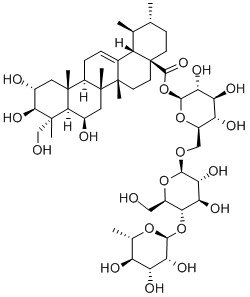
Madecassoside, a pentacyclic triterpene isolated from Centella asiatica, exhibits oral bioavailability along with anti-inflammatory, antioxidant, anti-apoptotic, and anti-autophagic properties. This compound demonstrates therapeutic potential in the treatment of endocrine disorders, cardiovascular diseases, skin conditions, and various other ailments. In cosmetic formulations, Madecassoside is commonly utilized as a soothing agent, it works synergistically with dipotassium glycyrrhizinate to alleviate discomfort caused by external irritants.
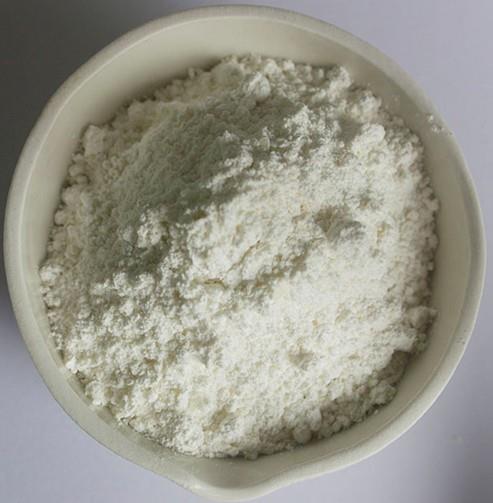
Figure1: Picture of Madecassoside
Overview
Centella asiatica (commonly known as Indian pennywort or Gotu Kola) is a medicinal perennial herb belonging to the Apiaceae family. Native to tropical and subtropical regions of Asia—including the Indian subcontinent, Southeast Asia, Malaysia, Indonesia, and parts of China, Japan, Korea, and Taiwan—it also occurs in swampy areas of South Africa, Madagascar, and South-Central America. The plant is notably rich in pentacyclic triterpene glycosides, commonly referred to as saponins or centelloids, with the primary bioactive constituents being asiaticoside and madecassoside, along with their respective aglycones, asiatic acid and madecassic acid. These saponins, synthesized via the isoprenoid pathway, consist of a hydrophobic triterpenoid aglycone linked to a hydrophilic sugar chain, which confers their biological activity. Among these, Madecassoside typically represents the most abundant triterpene saponin in extracts of Centella asiatica. Additionally, the plant contains various other phytochemicals such as phenolic acids, flavonoids, tannins, volatile oils, amino acids, and vitamins. Madecassoside, along with asiaticoside, accounts for approximately 8% of the herb's dry mass and serves as a key marker compound for standardization. Importantly, Madecassoside is subject to significant variation in concentration depending on geographical origin, genetic factors, environmental conditions, and cultivation practices. Different extract preparations of Centella asiatica commonly include both asiaticoside and madecassoside as principal components, reflecting their central role in the plant’s pharmacological profile.[1]
Preparation method
A preparation method for madecassoside has been publicly reported by researchers. This method employs Centella asiatica as the raw material, which is extracted by heating under reflux with ethanol. The resulting extract is filtered through a ceramic membrane and then subjected to macroporous resin column chromatography. The resin column is first washed with water until the eluent becomes clear, followed by successive elution with 30–40% ethanol and 70–80% ethanol. The 70–80% ethanol eluate is collected and concentrated to a thick extract. This extract is then treated with 90–100% ethanol for alcohol precipitation, followed by filtration. The ethanol content in the filtrate is adjusted to 70–80%, after which it is passed through a decolorizing resin column. The effluent from this column is collected and concentrated until the ethanol content reaches 10–15%, leading to crystallization. After filtration, the mother liquor is again subjected to macroporous resin column chromatography. The column is washed with water until clear, followed by elution with 10–20% ethanol and 35–45% ethanol. The 35–45% ethanol fraction is collected, concentrated, and dried to obtain the final product madecassoside. [2]
Bioactivity
Madecassoside, a pentacyclic triterpene isolated from Centella asiatica, possesses anti-inflammatory, antioxidant, and anti-aging properties. This orally active compound demonstrates inhibitory effects against inflammation, oxidation, apoptosis, and autophagy. It functions by inhibiting the activities of p38 MAPK and NF-κB, exhibiting anti-apoptotic properties, and activating Nrf2 expression to mitigate neurotoxicity. Moreover, Madecassoside shows potential for application in treating endocrine disorders, cardiovascular conditions, skin diseases, and various other pathological states.
Effect on burn wound healing
The present study aimed to examine the influence of madecassoside—the principal triterpene constituent of Centella asiatica—on burn wound repair and explore its underlying mechanisms. Oral administration of madecassoside at doses of 6, 12, and 24 mg/kg promoted wound closure in a time-dependent manner, with the highest dose group (24 mg/kg) achieving nearly complete healing by day 20. Histopathological evaluation further showed that madecassoside reduced inflammatory cell infiltration and improved re‑epithelialization by stimulating fibroblast proliferation in the dermis. At higher doses (12 and 24 mg/kg), madecassoside lowered nitric oxide (NO) and malondialdehyde (MDA) levels in burned skin tissue, while simultaneously elevating reduced glutathione (GSH) and hydroxyproline content. Furthermore, madecassoside enhanced cutaneous angiogenesis in vivo, which aligned with in vitro observations that it promoted endothelial cell growth in a rat aortic ring assay. These findings demonstrate that madecassoside possesses marked wound‑healing properties and represents a key active component responsible for the efficacy of C. asiatica in burn injury management. Overall, the study suggests that the wound‑healing effects of madecassoside are mediated through multiple pathways, including antioxidative activity, collagen synthesis, and angiogenesis. [3]
Reference
[1] Bandopadhyay S, Mandal S, Ghorai M, et al. Therapeutic properties and pharmacological activities of asiaticoside and madecassoside: A review[J]. Journal of cellular and molecular medicine, 2023, 27(5): 593-608.
[2] Sun, B. X.; Liang, Y. S.; Song, Y. F.; et al. A preparation method of madecassoside: CN201010269888.0 [P].
[3] Liu M, Dai Y, Li Y, et al. Madecassoside isolated from Centella asiatica herbs facilitates burn wound healing in mice[J]. Planta Medica, 2008, 74(08): 809-815.
You may like
Related articles And Qustion
Lastest Price from Madecassoside manufacturers

US $1100.00/kg2026-03-11
- CAS:
- 34540-22-2
- Min. Order:
- 1kg
- Purity:
- 90%
- Supply Ability:
- 8tons

US $0.00/KG2025-04-21
- CAS:
- 34540-22-2
- Min. Order:
- 1KG
- Purity:
- 99%
- Supply Ability:
- 500kg/month