Preparation Method and Chemical Applications of CHES-2-Cyclohexylaminoethanesulfonic Acid
CHES-2-Cyclohexylaminoethanesulfonic Acid is a zwitterionic N-substituted aminosulfonic acid. It is primarily employed as a buffer for studying pH-dependent enzymatic processes. Previous research has demonstrated that CHES-2-Cyclohexylaminoethanesulfonic Acid exhibits exceptionally high affinity for the iodoacetate-binding site of liver alcohol dehydrogenase. This compound possesses a pKa of 9.49 at 25°C, making it suitable for use within the pH range of 8.6–10.0.
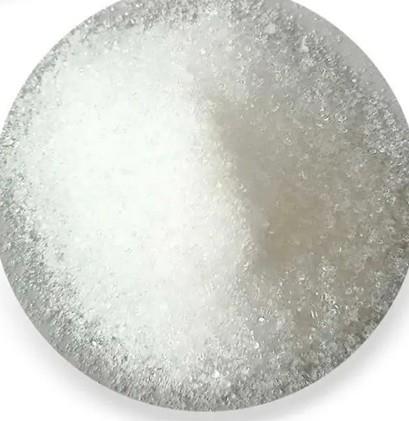
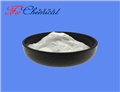
Figure1: Picture of CHES-2-Cyclohexylaminoethanesulfonic Acid
Preparation Method
A study has publicly reported a synthetic method for CHES-2-Cyclohexylaminoethanesulfonic Acid, comprising the following steps: cyclohexylamine, 1,2-dichloroethane, and sodium sulfite are heated to reflux in the presence of a solvent and a catalyst. After the reaction is completed, the mixture is subjected to filtration, acidification, and crystallization to yield CHES-2-Cyclohexylaminoethanesulfonic Acid. The reported method uses cyclohexylamine, 1,2-dichloroethane, and sodium sulfite as starting materials and requires only a one‑pot synthesis. The reaction conditions are mild, the operation is simple and easy to control, and the product can be readily purified after the reaction, achieving a purity of over 99%. [1]
Analysis of chemical phenomena
The objective of this study is to demonstrate the effectiveness of combining liposome electrokinetic chromatography (LEKC) with moment theory for analyzing chemical phenomena associated with LEKC separations. Based on literature information, LEKC experiments were performed under nearly identical experimental conditions. Liposomes were prepared by mixing 1‑palmitoyl‑2‑oleoyl‑sn‑glycero‑3‑phosphocholine (POPC) and phosphatidylserine (PS) at a molar ratio of 80/20. These liposomes were suspended in an aqueous buffer of CHES-2-Cyclohexylaminoethanesulfonic Acid at pH 9.0 and utilized as a pseudostationary phase. The elution peak profiles of cortisone, employed as a solute, were analyzed using moment theory under the assumption that solute partitioning into liposomes or adsorption onto liposomes occurs. While previous work has employed LEKC for separating neutral corticosteroids, no attempt was made to analyze LEKC data based on moment theory to elucidate the equilibrium and kinetic properties of interactions between solutes such as cortisone and liposomes. Furthermore, analogous LEKC experiments and moment analysis of cortisone elution peaks were carried out using liposomes composed of 1,2‑dilauroyl‑sn‑glycero‑3‑phosphocholine (DLPC) and PS (80/20, mol %) as well as 1,2‑dimyristoyl‑sn‑glycero‑3‑phosphocholine (DMPC) and PS (80/20, mol %). [2]
Enhance the reaction efficiency

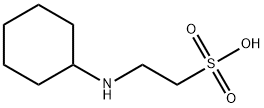
Figure2: Application of CHES-2-Cyclohexylaminoethanesulfonic Acid
To a CHES-2-Cyclohexylaminoethanesulfonic Acid (60 mL, 20 mM, pH 9.5) in a round-bottom flask, ATP (0.5 mmol) and Cu(OTf)2 (0.1 mmol) were added. After stirring for 30 min at 4 °C, a mixture of (E)-1-(1-methyl-1H-imidazol-2-yl)-3-phenylprop-2-en-1-one and (0.5 mmol) and dimethylmalonate (25 mmol, 50 eq.) in DMSO (1.2 mL) were added. The reaction was stirred for 72 h and monitored by TLC, followed by the extraction with ethyl acetate (2 × 30 mL). The combined organic fractions were dried by Na2SO4 and concentrated under reduced pressure. The crude products was purified by silica gel chromatography using petroleum ether and ethyl acetate as eluents with a volume ratio of 6:1. [3]
Chemical Applications
Research has reported that CHES-2-Cyclohexylaminoethanesulfonic Acid can be used to prepare a highly sensitive continuous detection reagent for GLDH assays. The method employs a two‑reagent system for determining GLDH content in serum and plasma, with the following compositions:1) Reagent R1 consists of a buffer solution of CHES-2-Cyclohexylaminoethanesulfonic Acid, α‑ketoglutarate, gentamicin, ADP, NADH, L‑leucine, PEG‑6000, Triton X‑405, and EDTA.2) Reagent R2 is composed of a buffer solution of CHES-Cyclohexylaminoethanesulfonic Acid, gentamicin, and ammonium chloride. By improving the original reagent's buffer system and enzyme activity preservation, the invention significantly enhances the sensitivity and accuracy of the detection assay. Another study has reported that CHES-2-Cyclohexylaminoethanesulfonic Acid can be applied to promote lipid accumulation in microalgae cultivation. Microalgae are inoculated and cultured in a medium supplemented with a buffered solution of CHES-2-Cyclohexylaminoethanesulfonic Acid, which maintains the pH of the medium consistently within the range of 9.0–10.0. This cultivation method increases microalgal lipid yield without negatively affecting biomass production. [4-5]
References
[1] Song, C., & Yuan, Y. A preparation method for N-cyclohexyl-2-aminoethanesulfonic acid: CN 202011358007.2 [P].
[2] Miyabe K, Umeda M, Inaba S, et al. Analysis of mass transfer kinetics at lipid bilayer membranes of liposome by means of electrokinetic chromatography and moment theory[J]. Industrial & Engineering Chemistry Research, 2024, 63(6): 2822-2830.
[3] Dong X, Yuan Z, Qu Y, et al. An ATP–Cu (ii) catalyst efficiently catalyzes enantioselective Michael reactions in water[J]. Green Chemistry, 2021, 23(24): 9876-9880.
[4] Tan, B., Luo, W., Gan, Y., et al. A highly sensitive continuous detection reagent for GLDH assay: CN 201510240865.X [P].
[5] Zhang, H., Chen, D., & Liu, J. A cultivation method for promoting lipid accumulation in microalgae: CN 201510219454.2 [P].
You may like
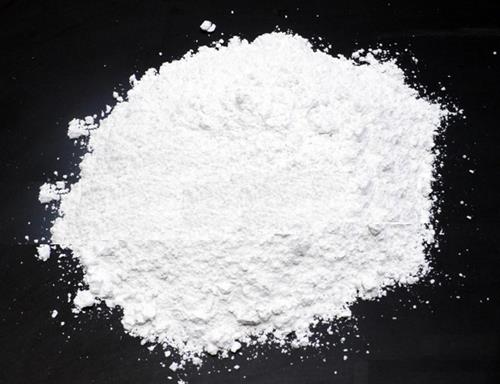
Lastest Price from CHES manufacturers
US $0.00/Kg/Drum2025-04-21
- CAS:
- 103-47-9
- Min. Order:
- 1KG
- Purity:
- 99%min
- Supply Ability:
- 500kgs
US $79.00-38.00/kg2025-04-21
- CAS:
- 103-47-9
- Min. Order:
- 1kg
- Purity:
- 99%
- Supply Ability:
- 20ton