Propranolol Hydrochloride: Sedative-Sparing Efficacy & PTSD Intervention Potential
Propranolol hydrochloride belongs to a group of medicines called beta blockers. It's used to treat heart problems, help with some of the symptoms of anxiety and prevent migraines. It is a beta-blocker which affect the heart and circulation (blood flow through arteries and veins). Propranolol hydrochloride is used to treat tremors, angina (chest pain), hypertension (high blood pressure), heart rhythm disorders.
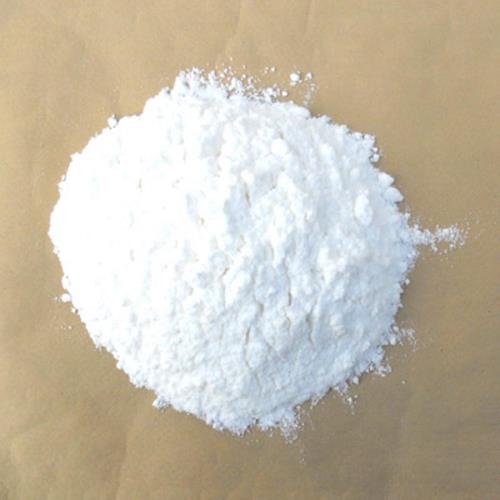
Propranolol hydrochloride As an Anxiolytic to Reduce the Use of Sedatives
Critically ill patients often require sedation to tolerate mechanical ventilation, with guidelines recommending dexmedetomidine and propofol as first-line sedatives. Surges in demand for mechanical ventilation during the COVID-19 pandemic, resulted in shortages of propofol in Canada, the United States, and other parts of the world. Dexmedetomidine is not commonly used for deep sedation, and its use is often limited due to high costs. The locus ceruleus (LC) provides the majority of brain norepinephrine, and LC adrenergic input to the medial septal area and medial preoptic area of the forebrain mediates arousal. Propranolol hydrochloride, a nonselective beta-adrenergic blocker with good penetration across the blood brain barrier, is approved for treating hypertension, angina, arrhythmias, migraines, and pheochromocytoma in Canada. It is also used off-label to treat anxiety disorders such as post-traumatic stress disorder (PTSD). As a lipophilic molecule, propranolol crosses the blood-brain barrier and can block ability of the LC to activate the forebrain, similar to alpha-2 agonists like dexmedetomidine. Propranolol use has been associated with reduced agitation, length of stay, and potential mortality in patients with traumatic brain injury and improved length of stay in severely burned patients. We previously published a retrospective study that found the initiation of propranolol hydrochloride was associated with a substantial reduction in sedative doses while maintaining the desired sedation.[1]
In this multicenter, open-label RCT of patients admitted for mechanical ventilation to a medical-surgical ICU, we found that the addition of propranolol hydrochloride caused a significant reduction in the dose of sedatives used compared with control and better adherence to the sedation target, while adverse events were similar between the two groups. This suggests that propranolol may be a safe and useful sedative-sparing strategy for patients on mechanical ventilation requiring a substantial dose of sedatives and may help preserve sedative supplies in the event of a major surge in demand for mechanical ventilation or during drug shortages, or in low-resource environments. Propranolol hydrochloride has also been used in the management of PTSD, which is a common feature of post-intensive care syndrome. Once PTSD is established, propranolol may be effective for blunting the symptoms triggered by traumatic memory reactivation. A recent review was inconclusive about the potential for propranolol to prevent the development of PTSD, due to the risk of bias and heterogeneity of results. We did not follow our patients beyond discharge to assess for PTSD symptoms, given the limited scope of the study in the pandemic context. We found that the use of propranolol hydrochloride as a sedative-sparing strategy resulted in a significant and substantial reduction in the sedative dose required by patients receiving mechanical ventilation. Our findings may be useful in future surges in demand for mechanical ventilation, preserving sedative supplies that were nearly exhausted at multiple points in many countries during the COVID-19 pandemic.
Propranolol in the prevention and treatment of post-traumatic stress disorder
Post-Traumatic Stress Disorder (PTSD) is a psychological condition that often develops after experiencing traumatic events. These events can include natural disasters, serious accidents, warfare, or personal assaults. PTSD is characterized by intrusive memories, hypervigilance, and avoidance behaviors, etc. Additionally, it can lead to negative changes in emotional and cognitive functioning, such as feelings of hopelessness, emotional numbness, and difficulty maintaining close relationships. Overall, the combined physical and psychological stress experienced by these patients increases the risk of developing PTSD, emphasizing the need for an integrated approach to managing both cardiac and mental health. Given these overlapping mechanisms, interventions such as β-blockers, specifically propranolol hydrochloride, may help reduce physiological stress responses in PTSD patients with cardiac dysfunction. As one of the potential drug treatment methods for PTSD, the efficacy of propranolol hydrochloride in alleviating post-traumatic stress symptoms, especially high arousal and invasive memory, has been explored in many animal experiments and some clinical studies. While some studies have reported positive outcomes, the evidence remains inconclusive, indicating that the effectiveness and optimal intervention protocols for propranolol in PTSD still require further research. Therefore, the aim of this systematic review and meta-analysis is to critically evaluate the existing studies on propranolol hydrochloride intervention for PTSD.[2]
Our findings highlight propranolol’s potential in alleviating physiological symptoms of PTSD, such as hyperarousal and intrusive memories. However, PTSD is a complex disorder involving not only physiological symptoms but also emotional and cognitive symptoms, such as avoidance behaviors and negative mood states. Propranolol hydrochloride may not effectively address these diverse core symptoms. Previous studies have often focused on physiological symptoms, as measured by scales like CAPS and PCL, while failing to explore other critical symptoms, particularly sleep disturbances and avoidance behaviors—key components of PTSD pathophysiology. The data analyzed in this study suggest that propranolol may have certain benefits for alleviating PTSD symptoms, but the evidence is inadequate to establish it as a reliable and broadly applicable treatment for PTSD. While the diversity in study locations and populations adds some value, it does not imply that positive findings from localized studies could be generalized to all populations. Variations in study design, patient characteristics, and treatment Propranolol hydrochloride further limit our ability to draw definitive conclusions regarding propranolol’s clinical efficacy.
References
[1]Downar J, Lapenskie J, Kanji S, Watpool I, Haines J, Saeed U, Porteous R, Polskaia N, Burry L, Himed S, Anderson K, Fox-Robichaud A. Propranolol As an Anxiolytic to Reduce the Use of Sedatives for Critically Ill Adults Receiving Mechanical Ventilation (PROACTIVE): An Open-Label Randomized Controlled Trial. Crit Care Med. 2025 Feb 1;53(2):e257-e268. doi: 10.1097/CCM.0000000000006534. Epub 2025 Feb 21. PMID: 39982178; PMCID: PMC11801419.
[2]Li H, Zhang Z, Yang S, Zhu G. Systematic review and meta-analysis of propranolol in the prevention and treatment of post-traumatic stress disorder. Front Pharmacol. 2025 Jan 29;16:1545493. doi: 10.3389/fphar.2025.1545493. PMID: 39944616; PMCID: PMC11814184.
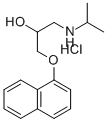
You may like
Lastest Price from Propranolol hydrochloride manufacturers
US $0.00-0.00/kg2025-11-21
- CAS:
- 318-98-9
- Min. Order:
- 1kg
- Purity:
- 99.8%
- Supply Ability:
- 1000kg

US $0.00/KG2025-05-06
- CAS:
- 318-98-9
- Min. Order:
- 1KG
- Purity:
- 0.99
- Supply Ability:
- 1000KG