S-23: A Selective Androgen Receptor Modulator
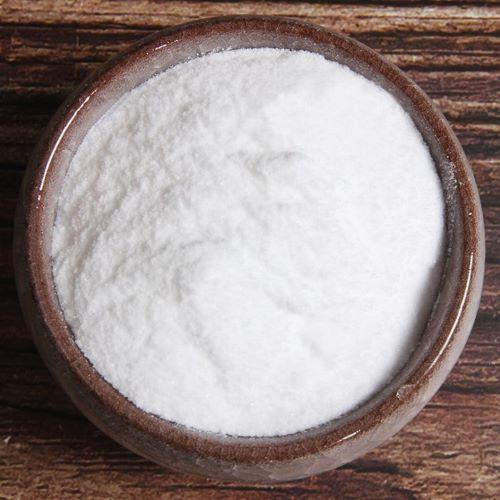
S-23 is known as a nonsteroidal SARM that has been shown to aid in muscle gain but also fat loss. Anecdotally, there is also evidence that it can help with strength gain. Like other SARM’s, only certain receptors are bound to, however because it is so powerful combined with such a high bioavailability it does have certain drawbacks. It has drawbacks such as particular side effects such as testosterone shut down, testicular shrinkage, and aggression. The muscles and bones of the human body contains androgen receptors. S-23 works by binding to these receptors, stimulating changes similar to that caused by testosterone. These changes include but are not limited to hypertrophy of muscle cells, bone density increase, and perhaps even fat loss. Due to the fact that it is such a powerful SARM, it has various benefits. Of course, your actions need to align with your goals in order to reap the best rewards from your S23 usage – this compound won't magically make you lean while you eat trash all day long, it’s not Tren after all.
Investigations Into the Selective Androgen Receptor Modulator S-23
In animal models, the novel SARM S-23 demonstrated a dose‐dependent increase in bone mineral density and lean mass, as well as a reduction in fat mass. In anti‐doping, various scenarios leading to AAFs need to be taken into consideration, including the intended misuse of SARMs as performance enhancing agents as well as unintentional exposure, for example, through transfer or contamination. Hence, within this research project, S-23 microdose studies were conducted to investigate the human in vivo metabolism and elimination behavior of the drug, simulating contamination scenarios of inadvertent drug intake. These experiments extend previous research, such as the human liver in vitro study and metabolite characterization work that first described a total of 11 phase I and II metabolites as well as an estimation of each metabolite's contribution to the sum of the measured metabolic products. In the field of equine anti‐doping research, an in vitro study using horse liver microsomes described a total of eight metabolites, while an in vivo study observed S‐23 and seven phase I metabolites in urine. The first S-23 human in vivo study involved a single oral dose of approximately 8 mg, was used to mimic an intended misuse. In this study, besides unconjugated S‐23, a total of two metabolites were identified in urine, while no traces of S‐23 were detected in hair.[1]
Recent advancements in analytical sensitivity significantly enhance routine doping controls, enabling the prolonged detection of previously undetectable illicit drug administrations. However, the increased sensitivity highlights the need to distinguish between deliberate doping and unintentional exposure to prohibited substances, as the risk of an unintended AAFs for athletes also increases. This human microdose elimination study aimed to provide critical data for decision‐making processes in anti‐doping regarding the SARM S-23. The study design, which included once‐off as well as consecutive administrations of S-23 mimicking the singular but also repeated exposure reflecting, for example, the intake of contaminated dietary supplements, provides first data on urinary detection windows and elimination patterns for S-23 and its metabolites under such circumstances. A systematic shift of metabolite ratios over time estimating the time of drug ingestion, was not observed. Nevertheless, urinary metabolite elimination profiles such as those presented in this study can be applied to situations where assessing the plausibility of a scenario of drug exposure is required, and the described detection windows provide a general understanding of how long a presumed contamination remains detectable and which metabolites are more likely to coexist.
Preclinical Characterization of S-23
The negative feedback loop existing between testosterone synthesized in the testis and gonadotropins released from the pituitary was first discovered in 1932. Since then, numerous studies further proved that endogenous testosterone synthesis could be inhibited by using endogenous and synthetic androgens. In the current studies, we examined the in vitro and in vivo characteristics of S-23, including in vitro AR binding affinity, AR-mediated transcriptional activation, and pharmacologic activity in castrated and intact male rats. Although such an agent is most likely to be used in combination with a progestin for oral male contraception in humans, we first examined the effects of S-23 in male rats when coadministered with a low dose of estradiol shown previously to be sufficient to support sexual behavior when administered with dihydrotestosterone. The effects of S-23 on body weight, androgen-dependent organ weights, body composition, and endocrine hormones were also determined. These studies are the first to demonstrate that an aryl propionamide SARM can be used as a component of an oral male contraceptive regimen.[2]
Among the current experimental methods for male contraception, the most promising approach is the hormonal method. Spermatogenesis is tightly regulated by hormones through the hypothalamus-pituitary-testis axis. The rationale of hormonal male contraception is to suppress spermatogenesis by interrupting the action of one or more hormones involved in the hypothalamus-pituitary-testis axis, including GnRH, LH, FSH, and testosterone. In our current contraception studies, S-23 and EB combination regimens were used in intact male rats to maintain the libido of animals during or after treatment. The pharmacological end points included androgen-dependent organ weights, body composition, total body BMD, spermatogenesis, and serum levels of LH and FSH. Consistent with previous literature, EB alone significantly decreased serum LH levels. In summary, S-23 was identified as a potent and efficacious SARM in castrated male rats with significantly higher anabolic activity than androgenic activity. In intact male rats, S-23 plus EB demonstrated potential use for hormonal male contraception. Either no sperm or very low sperm counts in the testis was successfully achieved in animals that received combination treatment with EB plus 0.1 mg/d, and a 100% infertility rate was observed in the efficacy study.
Detection of the selective androgen receptor modulator S-23
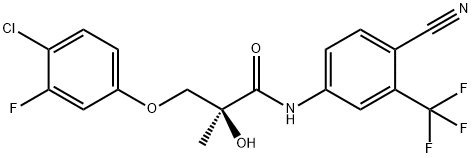
Selective androgen receptor modulators (SARMs) are a large class of structurally diverse compounds that have been developed primarily for therapeutic use in male fertility and hormone replacement therapy, with a focus on producing drugs with greater tissue selectivity, oral bioavailability and improved pharmacokinetic profiles compared with traditional anabolic androgenic steroids (AAS). (S)-N-(4-Cyano-3-trifluoromethyl-phenyl)-3-(3-fluoro,4-chlorophenoxy)-2-hydroxy-2-methyl-propanamide, commonly known as S-23, is an arylpropionamide SARM that has become available online relatively recently. It has been investigated in animal models for use as a male hormonal contraceptive. It is structurally very similar to the well-known and well-studied SARMs S4 (andarine) and S22 (ostarine), sharing the same core arylpropionamide structure, with differences only in the substituent groups of the benzene rings. The aim of this study was to investigate the metabolites of S-23 in equine urine and plasma following an oral administration and to determine the best targets for doping control in each matrix. The observed metabolites were compared with those obtained in vitro and with those reported for the structurally similar arylpropionamide SARMs following IV administrations.[3]
Seven phase I metabolites were detected alongside S-23 in equine urine and two phase I metabolites in plasma. The hydroxylated amide hydrolysis metabolite M4 allowed the longest duration of detection in equine urine and would be the recommended target in equine doping control. Simple conjugation experiments indicated M4 was extensively conjugated in urine. The amide hydrolysis metabolite M6 also allowed extended detection compared with the parent compound, and the conjugation experiments indicated it was likely to be excreted predominantly in the free fraction.
References
[1]Alhalabi H, Korsmeier L, Thomas A, Thevis M. Investigations Into the Urinary Metabolite Elimination Profile of the Selective Androgen Receptor Modulator S-23 in Studies Mimicking Contaminated Product Ingestion for Doping Control Purposes. Biomed Chromatogr. 2025 Jun;39(6):e70090. doi: 10.1002/bmc.70090. PMID: 40277337; PMCID: PMC12023825.
[2]Jones A, Chen J, Hwang DJ, Miller DD, Dalton JT. Preclinical characterization of a (S)-N-(4-cyano-3-trifluoromethyl-phenyl)-3-(3-fluoro, 4-chlorophenoxy)-2-hydroxy-2-methyl-propanamide: a selective androgen receptor modulator for hormonal male contraception. Endocrinology. 2009 Jan;150(1):385-95. doi: 10.1210/en.2008-0674. Epub 2008 Sep 4. PMID: 18772237; PMCID: PMC2630904.
[3]Cutler, Charlotte et al. “Detection of the selective androgen receptor modulator S-23 and its metabolites in equine urine and plasma following oral administration.” Drug testing and analysis vol. 17,5 (2025): 601-611. doi:10.1002/dta.3758
You may like
See also
Lastest Price from S-23 manufacturers

US $5.00/Box2025-07-30
- CAS:
- 1010396-29-8
- Min. Order:
- 1Box
- Purity:
- 99.99%
- Supply Ability:
- 20000 boxes

US $0.00-0.00/G2025-07-02
- CAS:
- 1010396-29-8
- Min. Order:
- 10G
- Purity:
- 99.99%
- Supply Ability:
- 1000000KG