S-Adenosyl-L-methionine Disulfate Tosylate: Liver Protection & Clinical Uses
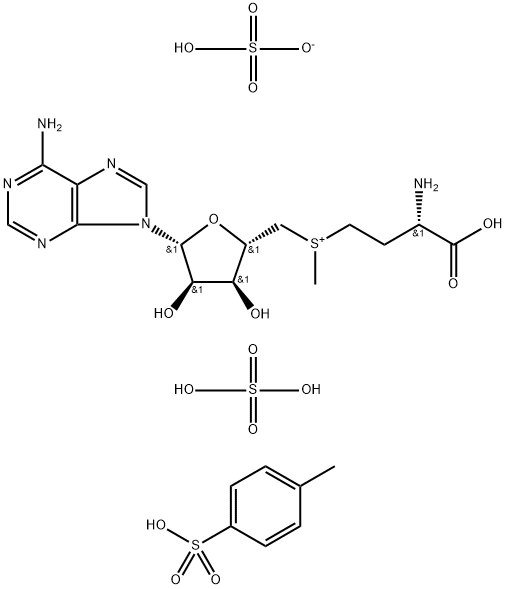
S-Adenosyl-L-methionine Disulfate Tosylate is the disulfate salt of the stable p-toluene-sulfonate complex of s-adenosyl-L-methionine (SAMe) with chemopreventive activity. SAMe disulfate p-toluene-sulfonate undergoes hydrolytic conversion to its active compound SAMe within cells. Although the mechanism of action is largely unknown, SAMe attenuates experimental liver damage and prevents experimental hepatocarcinogenesis. In addition, SAMe may reduce mitochondrial cytochrome C release, caspase 3 activation, and poly(ADP-ribose) polymerase cleavage, and attenuate okadaic acid-mediated hepatocyte apoptosis in a dose-dependent manner. S-Adenosyl-L-methionine Disulfate Tosylate is an essential compound in cellular transmethylation reactions and a precursor of polyamine and glutathione synthesis in the liver; SAMe deficiency is associated with chronic liver disease-associated decreases in the activity of methionine adenosyltransferase 1A (MAT1A), the enzyme that catalyzes the production of SAMe as the first step in methionine catabolism.
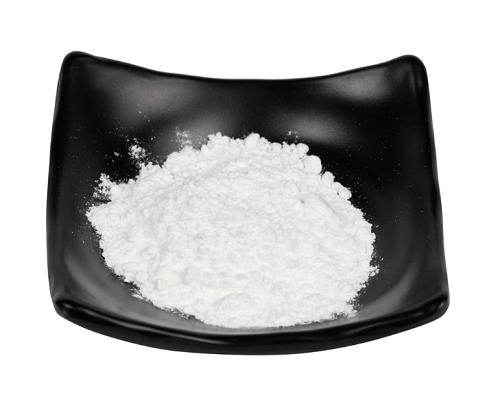
S-Adenosyl-L-methionine Disulfate Tosylate act in Hepatic Ischemia-Reperfusion Injury
Situations of hepatic ischemia-reperfusion in clinical practice are frequent, since they occur not only in liver transplantation, but also in various surgical interventions on the liver in which temporary clamping of the hepatic pedicle (Pringle maneuver) is required to reduce blood loss. Glutathione (GSH) is the key to the cellular protection mechanism against free-radical-mediated toxicity, constituting a natural defense mechanism. S-Adenosyl-L-methionine Disulfate Tosylate (SAMet) is an intracellular amino acid and enzyme co-factor that acts in multiple transmethylation reactions as a methyl donor, providing methyl groups to different substrates. A reduction of GSH in the liver, as occurs in patients with liver damage, seems to initiate a vicious circle, since such a depletion may lead to the inactivation of SAMet-synthetase, resulting in a further decrease in GSH levels, with a consequent worsening in the function of this enzyme. Given that oxygen radicals are involved in liver damage secondary to ischemia-reperfusion, as well as the fact that S-Adenosyl-L-methionine Disulfate Tosylate is capable of increasing the GSH content of hepatocytes, among other possible protective mechanisms, and as part of the modern approach of the early antagonization of specific mediators of cell damage that ultimately lead to organ failure, we hypothesized here that this molecule may be beneficial in an experimental model of hepatic IRI. Thus, the aim of the present work was to evaluate the effect of S-Adenosyl-L-methionine Disulfate Tosylate on inflammation, oxidative stress and apoptosis markers (cytokines, LPO and caspases) as well as GSH, ATP, endotoxin and phosphatidylcholine levels and survival rate in male Wistar rats subjected to hepatic IRI.[1]
Regarding the status of S-Adenosyl-L-methionine Disulfate Tosylate in the therapeutic arsenal, to date, it has been tested in humans for several indications and is generally considered a fairly safe drug, except for some precautions in pregnant women and immunosuppressed patients. Its administration has been tested both intravenously (as in our study) and orally. Although the oral form has clear advantages in terms of its potential for use, there are far fewer trials, and therefore, it is not clear that it shares the benefits of intravenous administration. Currently, many of these uses of SAMet are related to liver disease, with approved indications being hepatic cholestasis, intoxication by drugs that decrease GSH content (e.g., acetaminophen) and as an adjuvant in depression. For these situations, it has been demonstrated, for example in the case of hepatic cholestasis, by multiple randomized, double-blind, placebo-controlled clinical trials, that daily doses of S-Adenosyl-L-methionine Disulfate Tosylate of 800–1600 mg/day reduce biochemical indices of cholestasis and symptoms such as pruritus, even in pregnant patients. Its use in depression has so far been the subject of more than 11 clinical trials with more than 1000 patients and has been shown to reduce the time required to obtain the desired effect with tricyclic antidepressants and some serotonin reuptake inhibitors.
The results obtained in the present study showed the efficacy of S-Adenosyl-L-methionine Disulfate Tosylate in reducing IRI injury, as we observed that it is beneficial, and therapeutically useful, in this experimental model of liver damage, thanks to its pleiotropic effects, some of which have been seen here, such as its ability to reduce bacterial translocation and the inflammatory response, or to replenish cellular ATP and GSH stores. These results seem to be promising for the potential use of S-Adenosyl-L-methionine Disulfate Tosylate in the clinic and support moving research on its effect on IRI into routine clinical practice, establishing its position as a future pharmacological treatment. However, this should be made with caution, since studies have indeed found differences in rat response to certain stimuli and immune responses as compared to humans. One example, and of relevance to the present study, would be the absence of tissue-resident macrophages in certain organs such as the lung, which would be important sources of cytokine production during systemic inflammation.
References
[1]Valdés S, Paredes SD, García Carreras C, Zuluaga P, Rancan L, Linillos-Pradillo B, Arias-Díaz J, Vara E. S-Adenosylmethionine Decreases Bacterial Translocation, Proinflammatory Cytokines, Oxidative Stress and Apoptosis Markers in Hepatic Ischemia-Reperfusion Injury in Wistar Rats. Antioxidants (Basel). 2023 Jul 31;12(8):1539. doi: 10.3390/antiox12081539. PMID: 37627534; PMCID: PMC10451188.
You may like
Related articles And Qustion
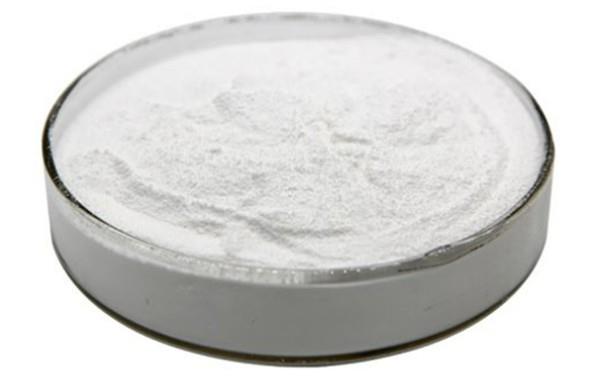
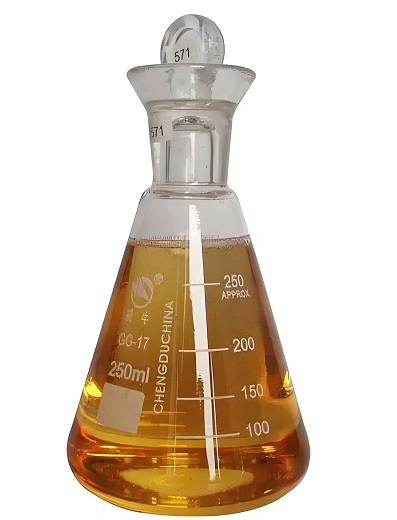
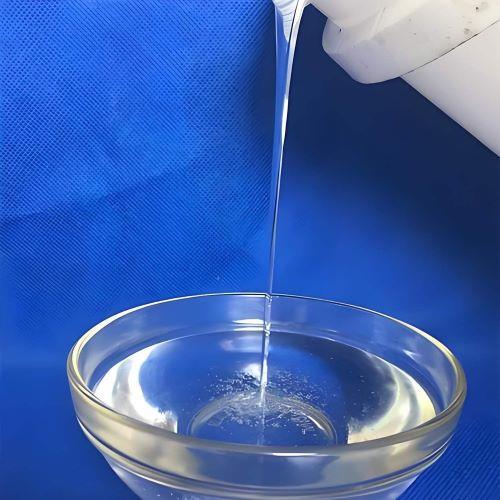
Lastest Price from S-Adenosyl-L-methionine Disulfate Tosylate manufacturers

US $0.00-0.00/kg2026-04-01
- CAS:
- 97540-22-2
- Min. Order:
- 1kg
- Purity:
- 0.98
- Supply Ability:
- 20tons
US $1.00/kg2025-11-11
- CAS:
- 97540-22-2
- Min. Order:
- 0.000165kg
- Purity:
- 99%
- Supply Ability:
- 200kg