Sodium 4-Phenylbutyrate in Urea Cycle Disorder Therapy
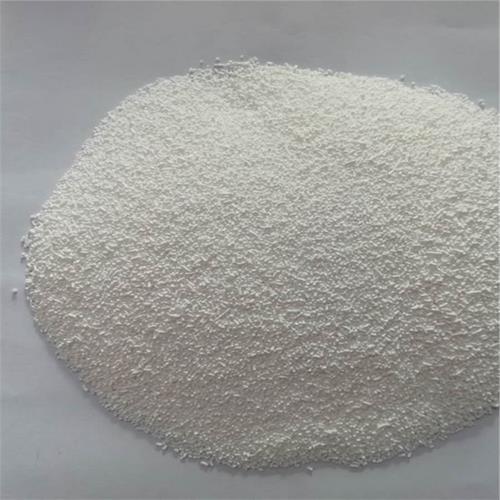
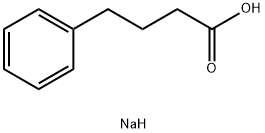
Sodium 4-phenylbutyrate is the organic sodium salt of 4-phenylbutyric acid. A prodrug for phenylacetate, it is used to treat urea cycle disorders. It has a role as a prodrug, an EC 3.5.1.98 (histone deacetylase) inhibitor, a neuroprotective agent, an orphan drug and a geroprotector. It contains a 4-phenylbutyrate. It also weakly blocks histone deacetylase activity (IC50 = 0.4 mM), which results in cell cycle arrest, differentiation, and/or apoptosis of various tumors. Formulations containing sodium 4-phenylbutyrate have been used for the treatment of urea cycle disorders.
The effect of sodium 4-phenylbutyrate on genetic mutation diseases
To determine the efficacy of 4-phenylbutyrate (4-PB) or sodium 4-phenylbutyrate (SPB) in treating diseases caused by genetic mutations. Meta-analysis of studies on the effect of 4-PB or Sodium 4-phenylbutyrate in patients with inherited genetic mutations was divided into 2 primary and 2 secondary outcomes. The 2 primary outcomes were “functional” production and mRNA transcription. The secondary outcomes were clinical symptoms and serum biochemical tests. Our collected data for 4 outcome indicators: “functional” production, mRNA transcription, clinical symptoms, and serum biochemical tests. The “functional” production of mutant genes in patients with inherited genetic mutations before and after 4-PB/4-PA or SPB treatment was analyzed in 8 studies. 4-PB/4-PA or Sodium 4-phenylbutyrate corrected the “functional” production of mutant genes. The type of effect size was using the PRAW measure. The recovery rate of “functional” production was (0.88 [95% CI: 0.73–1.00], P = .45, I2 = 0%). Here shows the forest plot. There was no heterogeneity between studies in the “functional” production of the mutant genes, and a fixed effects model was used.[1]
This meta-analysis publication interval is extensive and covers several countries. Sixteen studies on 4-PB/4-PA or Sodium 4-phenylbutyrate intervention in patients with inherited genetic mutations were included. Information and data were extracted and combined for analysis. The meta-analysis heterogeneity of all outcomes was within the acceptable range. 4-PB/4-PA and Sodium 4-phenylbutyrate are safe and effective in treating patients with inherited genetic mutations, providing a basis for treating patients with inherited genetic mutations. Moreover, 4-PBA was mostly applied to children and found to have fewer side effects in the included research literature. Given that many genetic disorders manifest early in life, the results of this study are generalizable to pediatric populations with genetic mutation diseases. Although 4-PB/4-PA and SPB are rarely used in clinical practice in patients with inherited genetic mutations, many cell and animal studies confirmed their efficacy. This evidence-based medicine meta-analysis confirmed its therapeutic prospects.Here describes the results of the meta-analysis of 4-PB/4-PA, Sodium 4-phenylbutyrate in treating genetic mutation diseases. Although meta-analysis occupies the top of the evidence pyramid and is the highest level of scientific evidence, large clinical trials are needed to demonstrate its safety and efficacy.
Sodium 4-phenylbutyrate inhibits protein glycation
Glycation is a non-enzymatic chemical reaction that occurs between a ketone or aldehyde group of fructose or glucose and an amino acid residue or the hydroxy-group of a protein or lipid, and is often referred to as the Maillard reaction. In the present study, sodium 4-phenylbutyrate (PBA) was assessed as a potential candidate for use as an anti-glycation agent. PBA is an aromatic fatty acid that acts as a histone deacetylase inhibitor, ammonia scavenger and chemical chaperone. It is currently used as a treatment of urea cycle disorders, as it can promote the excretion of residual nitrogen, and is the subject of clinical trials for use as a treatment of several other diseases. Recently, Sodium 4-phenylbutyrate has been shown to possess potent anti-oxidative effects that are achieved via the suppression of endoplasmic reticulum stress, as well as an anti-inflammatory effect, which is exerted through nuclear factor-κB (NF-κB). It was previously reported that PBA may be effective for the treatment of neurodegenerative diseases, including Parkinson's disease, and it can suppress the onset of dextran sulfate sodium-induced colitis. Furthermore, previous studies have suggested that Sodium 4-phenylbutyrate is effective against diabetes mellitus and hyperlipidemia. Importantly, treatment with PBA is associated with very few side effects.[2]
In the present study, the effects of Sodium 4-phenylbutyrate on protein glycation were assessed. The effects of PBA on non-enzymatic glycation in vitro were first determined. The effect of PBA on the glycation of albumin in vitro was assessed as it is the principal serum protein, and its effect on collagen was assessed due to the possibility that it may be co-administered with cosmetics, supplements or pharmaceutical products that also have effects on collagen. Collagen is the primary structural protein in the extracellular matrix in various connective tissues. In conclusion, Sodium 4-phenylbutyrate may limit the aging process and delay the development of lifestyle-related and other chronic diseases, such as diabetes, atherosclerosis, hyperlipidemia, cardiovascular diseases, cerebrovascular disorders, chronic renal failure and neurodegenerative diseases, which are characterized by the glycation of proteins. Reducing the prevalence of lifestyle-related diseases, which are increasing annually worldwide, may substantially reduce the economic burden on healthcare systems. Although it is necessary to elucidate the mechanism by which Sodium 4-phenylbutyrate reduces glycation in more detail, the method of administration and the side-effects of PBA are well established, as it is a currently used therapeutic. Therefore, administering PBA clinically for alleviating aging and lifestyle related disorders may be an additional use in the relatively near future.
Sodium 4-phenylbutyrate suppresses the development of colitis
Excessive inflammatory responses contribute to and aggravate various autoimmune/chronic diseases, including inflammatory bowel disease (IBD). Crohn's disease and ulcerative colitis are examples of major IBDs of the gastrointestinal tract; both have a similar profile when they present in the colon, including peripheral symptoms such as weight loss and fever, and various colonic specific symptoms including gastric dysmotility, colonic mucosal ulceration, shortening of the colon, and diarrhea. Sodium 4-phenylbutyrate (PBA) is an aromatic fatty acid analog that is typically used to treat urea cycle disorders. PBA has also shown potential as a therapeutic treatment in many other diseases, including homozygous β-thalassemia, spinal muscular atrophy, and a variety of tumors. It has been reported that PBA may act as a histone deacetylase inhibitor, serve as a chemical chaperone, or act as an ammonia scavenger. Furthermore, Sodium 4-phenylbutyrate has been found to suppress endoplasmic reticulum stress and exert anti-inflammatory effects. The authors of the present study have previously reported that PBA may function as a therapeutic reagent for neurodegenerative disorders, and that intraperitoneal administration of PBA suppresses the onset of experimental murine colitis.[3]
In the present study, the effect of orally administered Sodium 4-phenylbutyrate on experimental colitis in mice was investigated. At the end of experiment, the survival rate of untreated mice was low (40%) whereas, the survival rate of PBA-treated mice was as high as 90%. Mice in the PBA group had significantly improved scores in the DAI, with PBA treatment markedly inhibiting the decline in weight and deteriorating stool condition. The appearance of a positive hemoccult result or gross blood in the stools manifested more slowly in the Sodium 4-phenylbutyrate group than in the DSS control group. These suggest that PBA treatment delay increased the DAI score and improved the survival rate. PBA also significantly attenuated DSS-induced shortening of the colon and resulted in the maintenance of mucosal integrity to the extent seen in the normal control group. These results suggest that orally administered PBA suppresses or limits the development of experimental colitis in a similar manner to intraperitoneal Sodium 4-phenylbutyrate administration.
References
[1]Tang W, Cai D, Song Y, Liao Z, Lian J. The effect of 4-phenylbutyrate and sodium 4-phenylbutyrate on genetic mutation diseases: A meta-analysis. Medicine (Baltimore). 2025 Jan 10;104(2):e40818. doi: 10.1097/MD.0000000000040818. PMID: 39792717; PMCID: PMC11730837.
[2]Ono K, Nakashima M. Sodium 4-phenylbutyrate inhibits protein glycation. Biomed Rep. 2020 Dec;13(6):61. doi: 10.3892/br.2020.1368. Epub 2020 Oct 15. PMID: 33149906; PMCID: PMC7605125.
[3]Ono K, Nimura S, Hideshima Y, Nabeshima K, Nakashima M. Orally administered sodium 4-phenylbutyrate suppresses the development of dextran sulfate sodium-induced colitis in mice. Exp Ther Med. 2017 Dec;14(6):5485-5490. doi: 10.3892/etm.2017.5251. Epub 2017 Oct 3. PMID: 29285080; PMCID: PMC5740760.
You may like
See also

Lastest Price from Sodium 4-phenylbutyrate manufacturers
US $0.00-0.00/KG2025-04-04
- CAS:
- 1716-12-7
- Min. Order:
- 1KG
- Purity:
- 98%
- Supply Ability:
- 1ton

US $705.00/KG2025-03-26
- CAS:
- 1716-12-7
- Min. Order:
- 1KG
- Purity:
- 98%
- Supply Ability:
- 1-10mt