Structural Characteristics and Structural Characteristics of Fucoxanthin
Fucoxanthin is a carotenoid compound with broad biological activities, including antitumor, anti‑inflammatory, antioxidant, and anti‑obesity effects, making it one of the hotspots in drug research and development in recent years. Widely present in various algae, marine phytoplankton, and aquatic shellfish, fucoxanthin exhibits notable antitumor, anti‑inflammatory, antioxidant, weight‑reducing, and neuroprotective properties, demonstrating strong potential for applications in fundamental biochemical research.
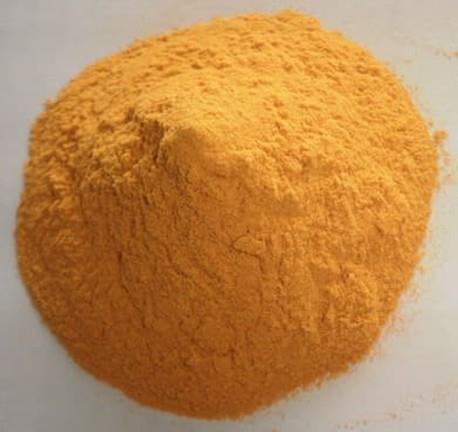
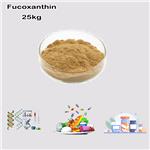
Figure1: Picture of Fucoxanthin
Overview
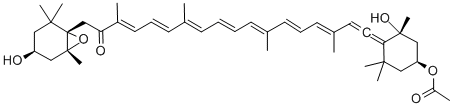
Fucoxanthin, an allenic carotenoid, can be isolated from edible brown seaweeds. Recent studies have reported that fucoxanthin hasmany physiological functions and biological properties, such as antiobesity, antitumor, antidiabetes, antioxidant, anti-inflammatory,and hepatoprotective activities, as well as cardiovascular and cerebrovascular protective effects. Therefore, fucoxanthin can beused as both medicinal and nutritional ingredient to prevent and treat chronic diseases. Although fucoxanthin possesses manymedicinal ingredient and nutritional qualities, studies indicated that its structure was unstable. Fucoxanthin is a marine carotenoid found in both macroalgae and microalgae, including species such as Undaria pinnatifida (Wakame), Laminaria japonica (Ma‑Kombu), Phaeodactylum tricornutum, and Cylindrotheca closterium. Its structure, elucidated by Englert and coworkers, features a distinctive molecular architecture characterized by an uncommon allenic bond, a 5,6‑monoepoxide moiety, and nine conjugated double bonds. This allenic bond is specific to fucoxanthin and is not observed in other carotenoids derived from brown seaweeds. Despite its unique chirality and structural features, fucoxanthin exhibits notable instability and is sensitive to heat, atmospheric oxygen, and light exposure. Although prone to degradation, the underlying causes of its instability have been extensively investigated. Interestingly, the very structural elements that contribute to its lability—particularly the allenic bond—also confer potent antioxidant activity. Beyond its antioxidant capacity, fucoxanthin demonstrates a broad spectrum of biological effects, including anti‑obesity, anti‑diabetic, anti‑inflammatory, anticancer, and hepatoprotective properties, along with protective benefits for cardiovascular and cerebrovascular health. This review examines the factors influencing the stability of fucoxanthin, its metabolic fate and safety profile, as well as its diverse pharmacological activities and associated mechanisms of action. [1]
Structural Characteristics
The pharmacological activities of fucoxanthin are closely linked to its distinctive molecular architecture, making a thorough understanding of its structural characteristics essential. As a carotenoid primarily found in brown algae, fucoxanthin shares certain structural similarities with neoxanthin, dinoxanthin, and peridinin. However, it is distinguished by the presence of an unusual allenic bond, nine conjugated double bonds, a 5,6‑monoepoxide group, and several oxygen‑containing functional moieties such as hydroxyl, epoxy, carbonyl, and carboxyl groups. Like other carotenoids, fucoxanthin is prone to degradation during storage due to exposure to heat, light, oxygen, enzymes, unsaturated lipids, and other pro‑oxidant factors. Isomerization under various processing conditions and media can lead to the formation of cis‑isomers, and purified fucoxanthin typically exhibits three main chromatographic peaks corresponding to the trans‑form along with two cis‑isomers. Studies indicate that higher extraction temperatures increase the proportion of cis‑isomers, which in turn reduces the antioxidant capacity of fucoxanthin. Spectrophotometric analyses in canola oil have demonstrated that heating in the absence of light and air accelerates the degradation of total and all‑trans fucoxanthin between 25 °C and 100 °C, promoting the formation of 13‑cis and 13′‑cis isomers while degrading the 9′‑cis form, a process that follows first‑order kinetics. Furthermore, combined exposure to air and light synergistically enhances the degradation of all‑trans, 13‑cis, and 13′‑cis fucoxanthin. These findings underscore the importance of minimizing heat, aerial contact, and light exposure during the extraction, purification, storage, and application of fucoxanthin to preserve its structural integrity and bioactivity. [1]
Anti-Lung Cancer Activity
Fucoxanthin, a carotenoid extracted from Laminaria japonica harvested in Chinese seas, has been shown in recent studies to inhibit the growth of various tumor cells and induce apoptosis; however, its anti‑lung‑cancer effects and underlying mechanisms remain to be fully elucidated. Methods including WST‑8 assay, flow cytometry, Annexin V‑FITC staining, real‑time PCR, and western blotting were employed to evaluate the cytotoxic effects of fucoxanthin on lung cancer cells, as well as its influence on cell cycle, apoptosis rate, and the expression of apoptosis‑related proteins. Results demonstrated that fucoxanthin significantly suppressed the proliferation of human lung cancer cell lines SPC‑A‑1, NCI‑H446, and A549. It arrested the cell cycle at the G₀/G₁ phase and induced apoptosis in tumor cells. In A549 cells, fucoxanthin was found to up‑regulate the mRNA and protein expression of NF‑κB, Bax, and p53 while down‑regulating the expression of Bcl‑2 at both transcriptional and translational levels. In conclusion, fucoxanthin inhibits the proliferation of human lung cancer cells in a dose‑dependent manner and induces G₀/G₁ phase arrest. The observed effects are likely mediated through the modulation of key apoptosis‑related pathways involving P53, NF‑κB, and Bcl‑2 in A549 cells.
Extraction Process Optimization
Using vacuum‑freeze‑dried Sargassum fusiforme as the raw material, researchers investigated the optimal solvent and process parameters for extracting fucoxanthin, with extraction efficiency monitored by HPLC. Results indicated that the best solvent system was a mixture of 90% ethanol and acetone at a volume ratio of 3:1, with a liquid‑to‑solid ratio of 40:1. Extraction was carried out twice in a 65 °C water bath under shaking, each for 80 minutes, yielding a fucoxanthin extraction rate of 1.067 mg/g (dry weight), a crude product recovery of 1.02%, and a purity of approximately 13.02%. These findings provide a novel material source and practical reference for the development of fucoxanthin‑based pigment products. [2]
References
[1] H. Zhang, Y. Tang, Y. Zhang et al., Fucoxanthin: A promising medicinal and nutritional ingredient, Evidence Based Complementary and Alternative Medicine, vol. 2015, Article ID 723515, 2015.
[2] S. J. Yin, T. Xu, L. P. Liu et al, Extraction process optimization of fucoxanthin from Sargassum fusiforme, Science and Technology of Food Industry, 2011, 4, 2011.
You may like
Related articles And Qustion
See also
Lastest Price from Fucoxanthin manufacturers
US $0.00-0.00/KG2025-07-24
- CAS:
- 3351-86-8
- Min. Order:
- 1KG
- Purity:
- 10%min
- Supply Ability:
- 30tons/month
US $0.00/G2025-04-21
- CAS:
- 3351-86-8
- Min. Order:
- 1G
- Purity:
- ≥98% HPLC
- Supply Ability:
- 1000KG