Studies on the Pharmacological Effects of Madecassoside
Introduction
Madecassoside (MA, Fig. 1), a triterpenoid extracted from a plant named Centella asiatica of the Umbelliferae family, was identified as the main pharmacologically active ingredient with various anti-oxidative stress, anti-inflammation, and wound healing effects. Previous studies verified that madecassoside could play an increasingly important role in aninflammatory response, inhibiting lipopolysaccharide(LPS)-induced cardiac dysfunction and tumor necrosis factor (TNF-α) production in rat cardiomyocytes, reducing ischemia-reperfusion (IRI) injury in rats, alleviating inflammatory response in collagenous arthritis mice, and promoting the healing of burn wounds in mice. These findings suggested that MA might have a protective effect on AKI, and its anti-inflammatory properties and corresponding mechanisms should be evaluated.[1]
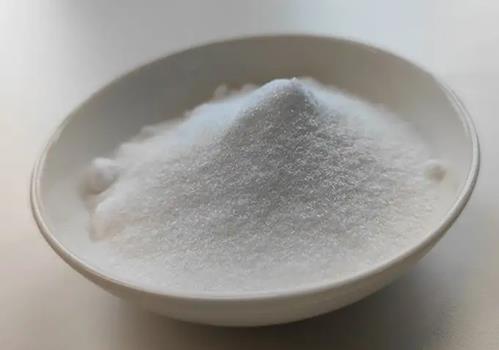
Madecassoside alleviates acute kidney injury
Acute kidney injury (AKI) has high morbidity and mortality, which is manifested by inflammation and apoptosis. Effective treatment methods for AKI are currently lacking. This study demonstrated the protecting effects of Madecassoside (MA) in the cisplatin- and hypoxia-reoxygenation-induced renal tubular epithelial cells in vitro and AKI mice in vivo. In vivo AKI mouse models were established by inducing them with cisplatin and renal ischemia-reperfusion. In vitro injury models of mouse renal tubular epithelial cells were established by inducing them with cisplatin and hypoxia and reoxygenation, respectively. The mechanism of MA effects was further explored using molecular docking and RNA-sequencing.
Madecassoside could significantly reduce kidney injury in the cisplatin-and renal ischemia-reperfusion (IRI)-induced AKI. Further validation in the two cellular models also showed that madecassoside had protect effects. MA can alleviate AKI in vitro and in vivo by inhibiting inflammation, cell apoptosis, and oxidative stress. Madecassoside exhibited high permeability across the Caco-2 cell, can enter cells directly. Through RNA-seq and molecular docking analysis, this study further demonstrated that MA inhibits its activity by directly binding to JNK kinase, thereby inhibiting c-JUN mediated cell apoptosis and improving AKI. In addition, madecassoside has better renal protective effects compared to curcumin and JNK inhibitor SP600125. The results demonstrate that madecassoside might be a potential drug for the treatment of AKI and act through the JNK/c-JUN signaling pathway.[1]
Madecassoside alleviates PM(2.5)-induced skin cell damage
With accelerated urbanization, air pollution has become an environmental problem that requires urgent resolution. Intensified inflammation, atopic dermatitis, and itchy skin have been reported in humans exposed to increasing PM2.5 concentrations. PM2.5 is the particulate matter whose aerodynamic equivalent diameter is less than or equal to 2.5 μm in ambient air. Madecassoside, a pentacyclic triterpenoid active component, which is found in and extracted from the plant Centella Asiatica, possesses unique pharmacological properties, such as anti-inflammatory activity, which are used to treat skin wounds. This study investigated the effects of madecassoside in terms of pyroptosis antagonism, cell membrane repair promotion, and skin barrier repair using THP-1 and HaCaT cells stimulated with PM2.5. We measured IL-1β and LDH contents in culture supernatants of THP-1 cells. The expressions of the proteins related to cell membrane repair and skin barrier repair were detected by western blotting, quantitative reverse transcription PCR and immunofluorescence. Tai et al. found that madecassoside reduced the release of the inflammatory factor IL-1β and the lytic cell death marker lactate dehydrogenase and repaired PM2.5-induced gasdermin D-mediated cell membrane damage. Further, madecassoside may have the potential to promote skin barrier repair by alleviating skin barrier-related protein damage and nuclear transfer. Therefore, madecassoside possesses anti-PM2.5 stimulating activity through repairing gasdermin D-mediated cell membrane damage and possibly protecting the skin barrier, indicating that madecassoside has good anti-inflammatory repair efficacy.[2]
Madecassoside mitigates acute myocardial infarction injury
The current treatments and drugs of myocardial infarction (MI) remain insufficient. In recent years, natural products have garnered significant attention for their potential in treating cardiovascular diseases due to their availability and lower toxicity. Saponins, in particular, showed promising effects for cardiac protection. In this study, we investigated the therapeutic effects of the saponin compound madecassoside in the treatment of MI, and underlying molecular mechanisms. The acute MI model was established in male mice by ligation of the left anterior descending coronary artery. The mice were treated with madecassoside (20 mg· kg-1 ·d-1, i.g.) for 14 days. After sacrificing the mice, hearts were harvested for analysis. Researchers showed that madecassoside administration significantly mitigated cardiac function decline in MI mice by promoting angiogenesis and inhibiting myocardial cell apoptosis and fibrosis. By conducting systems pharmacology and RNA sequencing, researchers demonstrated that madecassoside upregulated SPARC gene expression by activating protein kinase C-β (PKCB) that had a strong promoting effect on endothelial cell angiogenesis, thus playing a crucial protective role against MI. We showed that inhibition of SPARC gene significantly reduced madecassoside-stimulated migration and tube formation of endothelial cells in vitro; co-administration of the PKCB-specific inhibitor ruboxistaurin (10 mg· kg-1 ·d-1, i.g.) abolished the cardioprotective effect of madecassoside in MI mice, validating the critical role of the PKCB/SPARC signaling pathway. This study demonstrates that madecassoside regulates the PKCB/SPARC pathway, promotes the proliferation and regeneration of vascular endothelial cells, and effectively alleviates the symptoms of MI.[3]
Madecassoside ameliorates hepatic steatosis in high-fat diet-fed mice
Hepatic endoplasmic reticulum (ER) stress is a contributing factor in the development of hepatic steatosis in obesity. Madecassoside (MA), a pentacyclic triterpene derived from Centella asiatica, is known for its anti-inflammatory properties in the treatment of skin wounds. However, the impact of madecassoside on hepatic ER stress and lipid metabolism in experimental obesity models has not been investigated. In this study, we examined the effects of madecassoside on primary hepatocytes treated with palmitate and the livers of mice fed a high-fat diet (HFD). Our findings demonstrated that madecassoside treatment reduced lipogenic lipid accumulation, apoptosis, and ER stress in hepatocytes. Additionally, madecassoside treatment increased the phosphorylation of AMP-activated protein kinase (AMPK) and markers of autophagy. Importantly, when AMPK was inhibited by small interfering RNA (siRNA) or autophagy was blocked by 3-methyladenine (3MA), the protective effects of madecassoside against ER stress, lipogenic lipid deposition, and apoptosis in palmitate-treated hepatocytes were abolished. These results suggest that MA mitigates hepatic steatosis in obesity through an AMPK/autophagy-dependent pathway. The present study highlights the potential of madecassosideas a promising therapeutic candidate for hepatic steatosis.[4]
References
[1] Shan RR, Yu JT, Zhang SF, et al. Madecassoside alleviates acute kidney injury by regulating JNK-mediated oxidative stress and programmed cell death. Phytomedicine. 2024;123:155252. doi:10.1016/j.phymed.2023.155252
[2] Tai M, He Q, Lv P, et al. Madecassoside alleviates PM2.5-induced skin cell damage. Biochem Biophys Res Commun. 2025;770:151977. doi:10.1016/j.bbrc.2025.151977
[3] Wang P, Yang JQ, Xu DD, Zhang SJ, Lu S, Ji Y. Madecassoside mitigates acute myocardial infarction injury by activating the PKCB/SPARC signaling pathway. Acta Pharmacol Sin. 2025;46(6):1624-1638. doi:10.1038/s41401-024-01442-1
[4] Choi SW, Cho W, Oh H, et al. Madecassoside ameliorates hepatic steatosis in high-fat diet-fed mice through AMPK/autophagy-mediated suppression of ER stress. Biochem Pharmacol. 2023;217:115815. doi:10.1016/j.bcp.2023.115815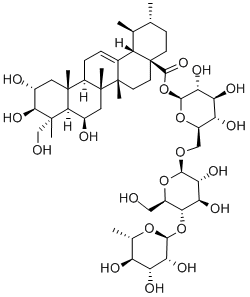
You may like
Related articles And Qustion
Lastest Price from Madecassoside manufacturers

US $1100.00/kg2026-03-11
- CAS:
- 34540-22-2
- Min. Order:
- 1kg
- Purity:
- 90%
- Supply Ability:
- 8tons

US $0.00/KG2025-04-21
- CAS:
- 34540-22-2
- Min. Order:
- 1KG
- Purity:
- 99%
- Supply Ability:
- 500kg/month