Synthesis and Chemical Applications of HYDROBROMIC ACID >33% IN ACETIC ACID
HYDROBROMIC ACID >33% IN ACETIC ACID is an inorganic acid compound that exists as a clear, water-free liquid under standard temperature and pressure, exhibiting pronounced acidity and considerable corrosiveness while also posing significant irritant effects on the human body and respiratory tract. In industrial production, HYDROBROMIC ACID >33% IN ACETIC ACID demonstrates versatile applications, primarily serving as a key reagent in the synthesis of pharmaceutical and agrochemical intermediates, and further extending its utility to the petroleum industry as well as to the manufacturing of synthetic dyes and fragrances.
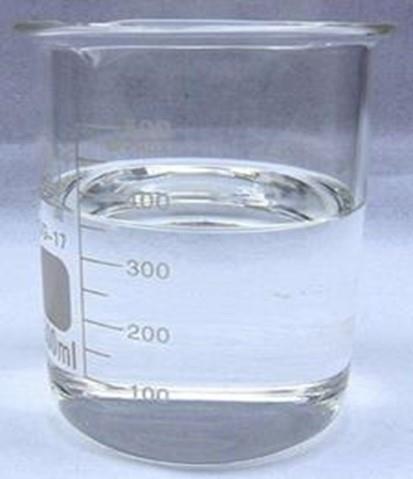
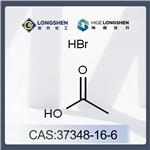
Figure1: Picture of HYDROBROMIC ACID >33% IN ACETIC ACID
Chemical Properties
HYDROBROMIC ACID >33% IN ACETIC ACID is a clear, colorless to pale-yellow liquid prepared by dissolving highly concentrated hydrogen bromide gas in glacial acetic acid. As a strong acid in its own right, HBr maintains its protonating capability within the weakly nucleophilic, polar medium of acetic acid. In ether cleavage reactions, HYDROBROMIC ACID >33% IN ACETIC ACID serves to protonate the ether oxygen atom, after which the bromide ion acts as a nucleophile to attack the methyl carbon in an SN2 substitution process, yielding phenols (or alcohols) along with volatile methyl bromide (CH₃Br). The acetic acid environment not only facilitates the dissolution of aryl ether substrates but also promotes the overall progress of the reaction.
Synthesis
A patent reports a method for preparing HYDROBROMIC ACID >33% IN ACETIC ACID, which involves the following steps: purification, drying, absorption, and tail gas treatment. The reported method effectively employs a graphite-modified polypropylene falling-film absorber as the absorption unit, addressing the corrosion issue of the acidic medium. Moreover, glacial acetic acid and introduced hydrogen bromide are mixed and absorbed inside the tubes, while chilled brine is circulated outside the tube walls to lower the temperature of the liquid, achieving simultaneous absorption and cooling. Additionally, this equipment offers advantages such as long service life, stable operation, and easy control, resulting in a product with a water content of less than 0.3% and a free bromine content not exceeding 0.04%. The absorption efficiency of hydrogen bromide is excellent, with a utilization rate exceeding 95%, and the yield of the product HYDROBROMIC ACID >33% IN ACETIC ACID is above 96%.[1]
Chemical Applications
Fiacitabine (FIAC) is a pyrimidine nucleoside analogue exhibiting activity against various herpesviruses. In a reported synthetic route, researchers used 2-deoxy-2-fluoro-tri-O-benzoyl-α-D-arabinofuranose as the starting material. At room temperature, HYDROBROMIC ACID >33% IN ACETIC ACID was employed to perform bromination, yielding 2-deoxy-2-fluoro-tri-O-benzoyl-α-D-bromoarabinofuranose. Concurrently, cytosine was subjected to iodination and benzoyl protection to produce N⁴-benzoyl-5-iodocytosine. Subsequently, the glycosylation of these two intermediates followed by deprotection furnished Fiacitabine. This synthetic pathway employs inexpensive starting materials, involves fewer reaction steps, maintains high selectivity, and achieves an overall yield of up to 43%. Throughout this process, HYDROBROMIC ACID >33% IN ACETIC ACID serves as a critical reagent enabling the efficient bromination step under mild conditions.[2]
Safety Considerations
HYDROBROMIC ACID >33% IN ACETIC ACID is highly corrosive, causing severe damage to skin, eyes, and mucous membranes; therefore, it must be handled strictly inside a fume hood with appropriate personal protective equipment, including safety goggles, acid-resistant gloves, and a lab coat. Additionally, HYDROBROMIC ACID >33% IN ACETIC ACID can release irritating hydrogen bromide gas and methyl bromide (particularly during demethylation reactions), making it essential to verify that exhaust absorption systems are fully operational. Storage should be in dark conditions, as exposure to light may promote the oxidation of bromide to bromine, turning the reagent yellow or even reddish-brown—such discolored material could compromise reaction selectivity and must either be used with caution or purified prior to use. Material compatibility is also critical: rubber and certain plastic stoppers or tubing should be avoided due to potential corrosion by the acid; instead, containers and seals made of glass or polytetrafluoroethylene (PTFE) are strongly recommended.
Reference
[1] Zhang, D., Wei, B., Li, M., et al. Method for preparing hydrobromic acid-glacial acetic acid solution containing 33%–48% hydrobromic acid: CN200810053160.7[P].
[2] Wang, Y., Zhao, L., Liu, R. A synthetic method for fiacitabine [J]. Chemistry Bulletin, 2019, 83:1.
You may like
See also
Lastest Price from HYDROBROMIC ACID >33% IN ACETIC ACID manufacturers
US $0.00/KG2026-01-31
- CAS:
- 37348-16-6
- Min. Order:
- 250KG
- Purity:
- ≥33%
- Supply Ability:
- 80 Tons/Month
US $10.00/KG2025-04-21
- CAS:
- 37348-16-6
- Min. Order:
- 1KG
- Purity:
- 99%
- Supply Ability:
- 10 mt