Synthesis and Extraction Method of Tetrapropylammonium bromide
Tetrapropylammonium bromide is a quaternary ammonium salt derivative, appearing as a white solid powder under ambient temperature and pressure. It possesses excellent chemical stability and good water solubility. Tetrapropylammonium bromide is primarily used as a phase-transfer catalyst, frequently employed to catalyze heterogeneous organic chemical reactions, and holds significant importance in the field of fundamental chemical research. Studies have reported that tetrapropylammonium bromide can serve as a structure-directing agent for the synthesis of bifunctional titanium‑silicon molecular sieves in the presence of n‑butylamine (NBA) as an alkaline source.
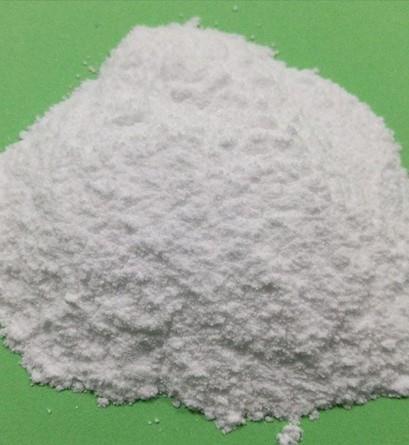
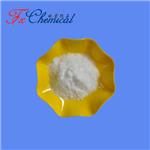
Figure1: Picture of Tetrapropylammonium bromide
Synthesis
A research study has publicly reported a method for preparing tetrapropylammonium bromide and the horizontal reactor used in the process. In the horizontal reactor, 1-bromopropane liquid and tri‑n‑propylamine liquid react to synthesize tetrapropylammonium bromide solid. After the reaction is completed, the mixture in the reactor is filtered, and the filter cake is washed with an organic solvent and dried to obtain tetrapropylammonium bromide with a Na⁺ content of less than 0.1 ppm. The reported method, which employs a horizontal reactor for the preparation of tetrapropylammonium bromide, offers convenient operation, improves dispersion between the liquid and solid phases, enhances heat transfer, reduces energy consumption, optimizes the reaction process, and results in high reaction yield along with superior product quality. [1]
Extraction Method
A research study has reported a method for extracting tetrapropylammonium bromide from zeolite synthesis waste liquid, comprising the following steps: Step 1, acidifying the zeolite synthesis waste liquid, then adding attapulgite clay and organically modified zeolite at a mass concentration of 10–20 g/L, followed by stirring at 60–70°C for 2–3 h at a rotational speed of 100–200 r/min. Subsequently, the mixture is allowed to settle for 6–10 h. After settling, the supernatant is subjected to heating under reflux for 10–20 h. The reported method first acidifies the waste liquid, followed by primary adsorption and precipitation treatment using attapulgite clay and organically modified zeolite, and then secondary reflux treatment, which significantly enhances the extraction efficiency of tetrapropylammonium bromide. Finally, ethyl acetate is employed to substantially purify the extracted tetrapropylammonium bromide. [2]
Effect on characteristics of cobalt metal
This study investigated the effect of the organic additive tetrapropylammonium bromide (TPAB) on the structural and morphological characteristics of cobalt metal electrodeposited from aqueous sulfate solutions. Tetrapropylammonium bromide concentration was varied from 1 to 50 mg/L to assess its influence on current efficiency, energy consumption, and the quality of the cobalt deposits. Smooth and bright cobalt electrodeposits were achieved at a low concentration of tetrapropylammonium bromide (10 mg/L), with a current efficiency of 99.4% and a low energy consumption of 2.42 kWh/kg. X-ray diffraction analysis indicated that the (100) plane was the predominant crystal growth orientation during cobalt electrodeposition. However, at higher additive concentrations, the (101) plane became the most preferred orientation. Scanning electron microscopy revealed that smooth and uniform cobalt deposits were obtained at 10 mg/L, beyond which deposit quality deteriorated. The presence of tetrapropylammonium bromide in the electrolyte bath polarized the cathode and significantly reduced the cathodic current. Atomic absorption spectroscopy confirmed that the cobalt deposits obtained were of high purity. [3]
Synthesize titanium‑silicon molecular sieves
The researchers used tetrapropylammonium bromide (TPABr) as a structure‑directing agent and n‑butylamine (NBA) as an alkaline source to synthesize bifunctional titanium‑silicon molecular sieves (M‑TS‑1, M = Al, B, and Fe). The catalytic activities of these bifunctional titanium‑silicon molecular sieves were evaluated using the following probe reactions: epoxidation of allyl chloride (AC) to produce epichlorohydrin, condensation of methanol and tert‑butanol to produce methyl tert‑butyl ether (MTBE), and direct liquid‑phase oxidation of ethylene to produce ethylene glycol and ethylene glycol monomethyl ether.
Reference
[1] Cao, G., Zhang, M., Bai, W., et al. A method for preparing tetrapropylammonium bromide and a horizontal reactor: CN 200710047832 [P].
[2] Liu, H., Wang, Z., Wu, X. A method for extracting tetrapropylammonium bromide from zeolite synthesis waste liquid: CN 201811284169.9 [P].
[3] Patnaik P, Tripathy B C, Bhattacharya I N, et al. Effect of tetra propyl ammonium bromide during cobalt electrodeposition from acidic sulfate solutions[J]. Metallurgical and Materials Transactions B, 2015, 46: 1252-1256.
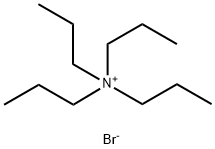
You may like
Lastest Price from Tetrapropylammonium bromide manufacturers
US $0.00/KG2025-04-21
- CAS:
- 1941-30-6
- Min. Order:
- 1KG
- Purity:
- 98%min
- Supply Ability:
- 30tons/month

US $50.00/kg2025-04-21
- CAS:
- 1941-30-6
- Min. Order:
- 1kg
- Purity:
- 0.99
- Supply Ability:
- 100 tons