Synthesis of DL-CAMPHORQUINONE
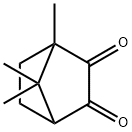
DL-CAMPHORQUINONE is an organic compound with the chemical formula C₁₀H₁₄O₂. It is used as a photoinitiator in dental materials. It can be prepared by the oxidation of camphor with selenium dioxide in acetic acid. DL-CAMPHORQUINONE t can be further oxidized by sodium hypochlorite to form camphoric acid. Additionally, both of its carbonyl groups (C=O) can be reduced to hydroxyl groups (C–OH) using lithium aluminum hydride.
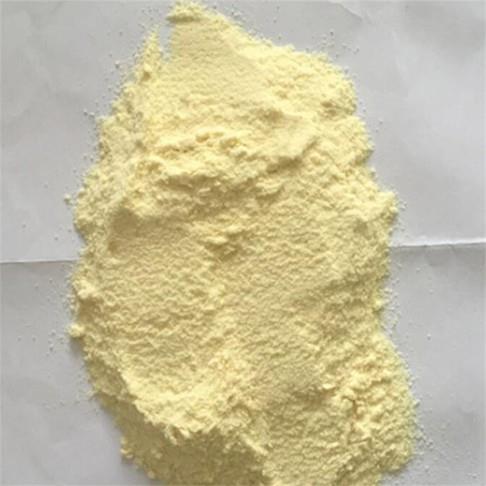
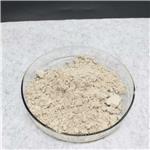
Figure1: Picture of DL-CAMPHORQUINONE
Synthesis
Method 1
A study has reported a method for preparing DL-CAMPHORQUINONE through metal-porphyrin-catalyzed air oxidation. Specifically, 0.01–0.1 mol% (relative to bromocamphor) of mononuclear metal porphyrins with general formulas (I) or (II), or μ-oxo-bridged dinuclear metal porphyrins with general formula (III), are added as catalysts to 0.1–1 mol of bromocamphor. Solvents such as 50–500 mL of ethylene glycol, nitrobenzene, dimethyl sulfoxide (DMSO), or dimethylformamide (DMF) are employed. Radical initiators including sodium iodide, thiols, azo compounds, or peroxides are used at 0.5–4 times the molar percentage of bromocamphor. Air is introduced at a flow rate of 5–15 L/h, the reaction temperature is maintained between 100–160°C, and the reaction proceeds for 0.5–3 hours to yield crude DL-CAMPHORQUINONE. After isolation and purification by conventional methods, pure DL-CAMPHORQUINONE is obtained with a melting point of 196–198°C. HPLC analysis shows the purity of camphorquinone exceeds 99.5%, and the yield can reach up to 99.8%. This patented method features low cost, minimal pollution, and high yield. [1]
Method 2
Starting from α-pinene as the raw material, DL-CAMPHORQUINONE was synthesized through a series of steps: addition and isomerization with HCl to yield 2-chlorocamphane, followed by elimination to produce camphenene. Camphenene was then oxidized using potassium permanganate as the oxidant in an acetone-water mixed solvent system to obtain DL-CAMPHORQUINONE. The effects of various factors on the oxidation of camphenene were investigated, including the type of phase-transfer catalyst, the nature of the solvent, the amount of KMnO₄ used, the volume ratio of acetone to water, the solvent volume, reaction temperature, and reaction time. The optimal oxidation process conditions were determined as follows: using potassium permanganate as the oxidant with a molar ratio of KMnO₄ to camphenene of 3.0:1; employing an acetone-water mixed solvent as the reaction medium with an acetone-to-water volume ratio of 3:1 and a volume-to-mass ratio of acetone-water mixed solvent to camphenene of 20:1 (mL/g); a reaction temperature of 30°C; and a reaction time of 4 hours. Under these conditions, the yield of DL-CAMPHORQUINONE exceeded 85%. The chemical structure of the synthesized product was analyzed and confirmed using analytical techniques such as GC-MS, FTIR, ¹H NMR, and ¹³C NMR. [2]
Structural properties
DL-CAMPHORQUINONE has been widely used as a photosensitizer (photoinitiator) in light-cured composite resins, particularly in dental restorative materials, primarily due to its unique chemical properties and application advantages. The specific reasons are analyzed as follows: DL-CAMPHORQUINONE matches the wavelength of visible light, making it suitable for clinical application. Its absorption peak lies in the blue light region at 468 nanometers, which aligns closely with the blue light (450-490 nm) emitted by dental light-curing devices such as LED curing lamps. Compared to traditional UV initiators like diphenyl ether, which require ultraviolet light for activation—a wavelength harmful to human tissues—blue light is safer for oral procedures and offers better penetration. Furthermore, DL-CAMPHORQUINONE exhibits high photoinitiation efficiency. Upon exposure to blue light, it rapidly absorbs energy and generates active radicals through hydrogen abstraction or synergistic effects with amine co-initiators, thereby effectively initiating the polymerization of resin monomers such as Bis-GMA and UDMA. DL-CAMPHORQUINONE and its photolysis products (such as camphor derivatives) exhibit low toxicity, meeting the biocompatibility standards for dental materials. Compared to other photoinitiators, DL-CAMPHORQUINONE leaves fewer residues after curing, contributing to its higher long-term safety.
Reference
[1] Y. Hong, et al. Method for preparing camphorquinone by metal porphyrin catalyzed air oxidation: CN Patent 200610113042[P].
[2] Z. H. Liang, H. J. Li, X. Xu, et al. Synthesis of camphorquinone from α-pinene [J]. Journal of Nanjing Forestry University (Natural Science Edition), 2013.
You may like
See also
Lastest Price from DL-CAMPHORQUINONE manufacturers
US $0.00/G/KG2025-04-23
- CAS:
- 10373-78-1
- Min. Order:
- 1G/KG
- Purity:
- 99%
- Supply Ability:
- 1000000000KG
US $6.00/kg2025-04-21
- CAS:
- 10373-78-1
- Min. Order:
- 1kg
- Purity:
- 99%
- Supply Ability:
- 2000KG/Month