The Efficacy and Safety of Benzyl Benzoate for the Treatment of Scabies
Benzyl benzoate is a topical preparation used for the treatment of scabies. It demonstrates significant efficacy due to its neurotoxic effects on mites. Other commonly used medications for treating scabies include oral ivermectin and topical 5% permethrin.
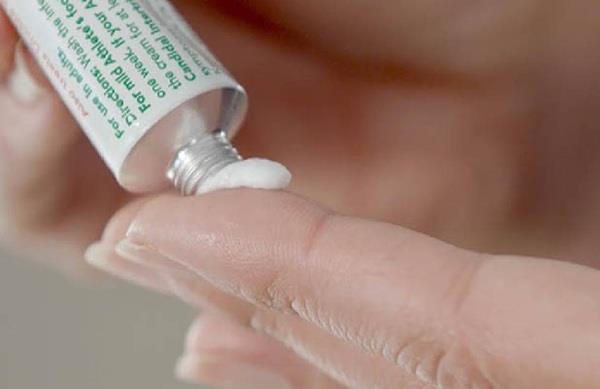
Benzyl Benzoate vs. Ivermectin
A randomized controlled trial (RCT) demonstrated that benzyl benzoate is comparable to ivermectin in terms of efficacy for treating scabies. However, ivermectin offers significant advantages over benzyl benzoate regarding safety and tolerability; combined with the practical convenience of oral administration, this makes it a valuable—and often superior—treatment option[1].
The standard oral regimen for ivermectin typically consists of one to two doses. Since ivermectin is ineffective against mite eggs, a follow-up dose is usually recommended approximately one week after the initial treatment to target newly hatched mites and ensure a complete cure. In contrast, benzyl benzoate is used at therapeutic concentrations ranging from 10% to 25%, with application frequencies varying from a single dose to nightly applications over five consecutive nights, and contact times ranging from 8 to 72 hours. Consequently, when analyzed by benzyl benzoate concentration, oral ivermectin demonstrated clear superiority at concentrations below 25%, resulting in significantly greater improvement in pruritus symptoms compared to benzyl benzoate. However, when the concentration in the control group reached 25% or higher, the advantages of oral ivermectin diminished.
Most importantly, the incidence of adverse events was lower in the oral ivermectin group than in the topical benzyl benzoate group, primarily manifesting as a reduction in sensations of skin burning or irritation.
Benzyl Benzoate vs. Permethrin
5% permethrin cream is a widely recommended first-line treatment for scabies. It is typically applied once weekly for two consecutive weeks, applied at bedtime to ensure a contact time of 8 to 10 hours. Although this medication is highly effective and easily metabolized, recent studies have linked it to issues such as mite resistance, poor patient adherence, and certain allergic reactions. Due to its low cost, 10%–25% benzyl benzoate is considered the preferred treatment option in low-income countries. Studies indicate that, during the first week of treatment, topical permethrin is more efficacious than benzyl benzoate in treating scabies and leads to more rapid improvement. However, no significant differences were observed during subsequent assessments, suggesting that the superiority of permethrin is time-dependent[2].
References:
[1] AHMED ABU-ZAID. Efficacy and safety of oral ivermectin versus benzyl benzoate for the treatment of scabies: a systematic review and meta-analysis of randomized controlled trials.[J]. Frontiers in Medicine, 2025, 12: 1703912. DOI:10.3389/fmed.2025.1703912.
[2] NOUF ALENEZI. Permethrin Versus Benzyl Benzoate for the Treatment of Scabies: A Systematic Review and Meta-Analysis of Randomized Controlled Trials.[J]. Cureus, 2025, 17 2: e79295. DOI:10.7759/cureus.79295.
You may like
Related articles And Qustion
See also
Lastest Price from Benzyl benzoate manufacturers
US $0.00-0.00/KG2025-08-26
- CAS:
- 120-51-4
- Min. Order:
- 1KG
- Purity:
- 99%
- Supply Ability:
- 5tons/month
US $5.00-0.50/KG2025-05-07
- CAS:
- 120-51-4
- Min. Order:
- 1KG
- Purity:
- 99% hplc
- Supply Ability:
- 500TONS