Tilmicosin Phosphate: Antibacterial Efficacy & Resistance Risks
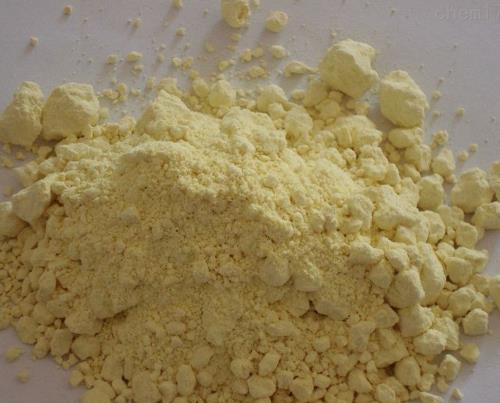
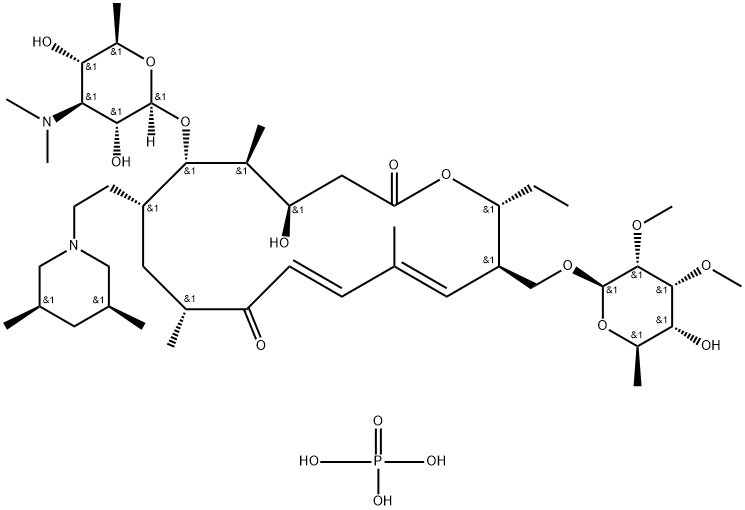
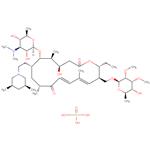
Tilmicosin phosphate is a salt of the semi-synthetic antibiotic derivative of desmycosin (tylosin B), a minor co-metabolite of tylosin, prepared by mixing the active tilmicosin with phosphoric acid to provide improved solubility and enhanced pharmacokinetics. Tilmicosin is a broad spectrum antibiotic, providing good protection against Pasteurella in livestock. Tilmicosin phosphate is used in veterinary medicine for the treatment of bovine respiratory disease and ovine respiratory disease associated with Mannheimia haemolytica.
Tilmicosin phosphate modulates the innate immune response
Staphylococcus aureus is the major pathogen causing clinical and subclinical mastitis, which usually turns into chronic infection. The bMECs are cuboid epithelial cells responsible for the synthesis, package, and export of milk components including caseins, lipids, vitamins, and minerals. In addition, bMECs function as innate immune cells because they can sense pathogen-associated molecular patterns and activate early mechanisms to prevent mastitis. Tilmicosin phosphate is a 16-member semi-synthetic macrolide antimicrobial agent obtained from tylosin with broad activity against Gram-positive and Gram-negative bacteria and frequently used in the treatment of pulmonary infection in calves, sheep, and lately to treat mastitis. Tilmicosin accumulates inside different types of cells including phagocytic, kidney, colon epithelial, and (although at lower concentrations) also mammary gland epithelial cells. Tilmicosin phosphate can modulate the inflammatory process in respiratory tissue in pigs and cattleand exerts an important anti-inflammatory effect in macrophages and mouse peripheral blood mononuclear cells stimulated with Lipopolisaccharide (LPS). In addition, tilmicosin is effective in the elimination of S. aureus from the mammary gland. Through the parenteral administration in lactating cows, Tilmicosin phosphate reaches therapeutic concentrations in milk against S. aureus for 7 d. The objective of this work was to assess the potential effect of tilmicosin in the regulation of the inflammatory process of bMECs induced by S. aureus infection.[1]
It has been reported that some macrolides have anti-inflammatory properties in several pathologies, including respiratory diseases and mastitis. However, to date, there is no evidence of the immunomodulatory properties of a 16-member macrolide such as tilmicosin. In the present study, we show that tilmicosin has antimicrobial activity against S. aureus. Our results demonstrate that tilmicosin phosphate has an anti-bacterial effect on bacterial growth under the conditions evaluated. Moreover, we showed that it did not inhibit bacterial internalization but helped to control the infection in MAC-T, and regulated the inflammatory process through a reduction of ROS and pro-inflammatory cytokine, in part through alteration in MAPK phosphorylation. Staphylococcus aureus infection leads to an inflammatory response of MAC-T that includes ROS and pro-inflammatory cytokine production (IL-1β, TNF-α, and IL-6) as a result of MAPK (P38, ERK) activation. Overproduction of ROS can lead to toxicity and affect cell viability and the physiological functions of mammary cells. Tilmicosin phosphate treatment appears to decrease the infection of MAC-T and modulate the inflammatory microenvironment by inhibiting ROS and pro-inflammatory cytokine production, in association with a selective phosphorylation of MAPK (P38 and ERK), thereby preserving the viability and function of MAC-T. In conclusion, tilmicosin phosphate exerts a protective effect of the mammary epithelium, restraining the inflammatory process induced by S. aureus infection and promoting cell survival and casein production by the mammary gland.
Tilmicosin phosphate Promote the Spread of Multidrug Resistance Gene tolC
The increasing prevalence of antibiotic resistance has emerged as a significant public health concern worldwide, with serious implications for the effectiveness of medical treatments. Antibiotics are routinely administered in livestock, not only for therapeutic purposes but also for growth promotion and disease prevention. While many countries have banned the use of antibiotics as growth promoters, therapeutic antibiotics continue to be widely used in livestock, raising concerns about their impact on the gut microbiota of pigs and the potential for the spread of antibiotic resistance genes (ARGs) from livestock to humans in these areas. Macrolide antibiotics, including tilmicosin phosphate, are pivotal in clinical livestock treatment, and are widely employed to combat infectious diseases in pigs, chickens, and other livestock species. Known for their extended half-life and potent antibacterial properties, macrolides such as tilmicosin phosphate effectively target a broad spectrum of pathogens, including Gram-positive and some Gram-negative bacteria, mycoplasmas, and spirochetes. Livestock exhibit weak absorption and metabolism of antibiotics, and the vast majority of antibiotics are excreted through the digestive system. Studies have shown that antibiotics have a selective effect on ARG host bacteria that can lead to the accumulation of ARGs.[2]
This study provides valuable insights into the effects of tilmicosin phosphate on ARG abundance and distribution within the pig gut microbiome, using fresh fecal samples as proxies. However, there are several limitations that should be acknowledged. Although fecal samples are a practical and non-invasive approach for monitoring changes in the gut microbiota, they may not fully capture the diversity and metabolic complexity of the entire gut microbial ecosystem, particularly the bacteria that adhere closely to the gut wall. In this study, the therapeutic dose of tilmicosin phosphate did not significantly affect the abundance of MRGs (p > 0.05). However, this study revealed that high concentrations of tilmicosin significantly increased the absolute abundance of the multidrug resistance gene tolC and the MGEs int1 and int2 in pig manure (p < 0.05). The multidrug resistance gene tolC may undergo HGT in host bacteria such as Paenalcaligenes and Proteiniclasticum through int1 and int2. Additionally, RDA revealed that the bacterial flora was the most important factor influencing the abundance of MRGs in pig manure, followed by MGEs, tilmicosin phosphate concentration, and the physicochemical properties of pig manure. Our study provides a theoretical basis for an accurate assessment of the ecotoxicological effects of veterinary antibiotics and for preventing environmental contamination and the spread of ARGs from livestock.
References
[1]Martínez-Cortés I, Acevedo-Domínguez NA, Olguin-Alor R, Cortés-Hernández A, Álvarez-Jiménez V, Campillo-Navarro M, Sumano-López HS, Gutiérrez-Olvera L, Martínez-Gómez D, Maravillas-Montero JL, Loor JJ, García-Zepeda EA, Soldevila G. Tilmicosin modulates the innate immune response and preserves casein production in bovine mammary alveolar cells during Staphylococcus aureus infection. J Anim Sci. 2019 Feb 1;97(2):644-656. doi: 10.1093/jas/sky463. PMID: 30517644; PMCID: PMC6358261.
[2]Chen T, Zhao M, Chen M, Tang X, Qian Y, Li X, Wang Y, Liao X, Wu Y. High Concentrations of Tilmicosin Promote the Spread of Multidrug Resistance Gene tolC in the Pig Gut Microbiome Through Mobile Genetic Elements. Animals (Basel). 2024 Dec 31;15(1):70. doi: 10.3390/ani15010070. PMID: 39795013; PMCID: PMC11718906.
You may like
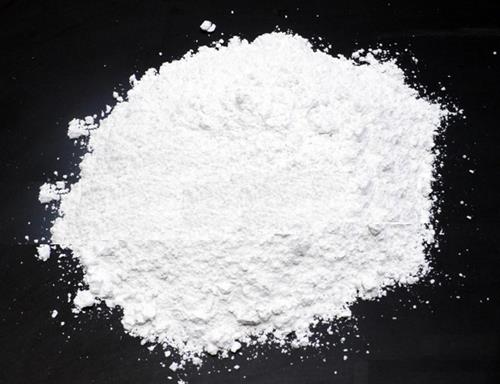
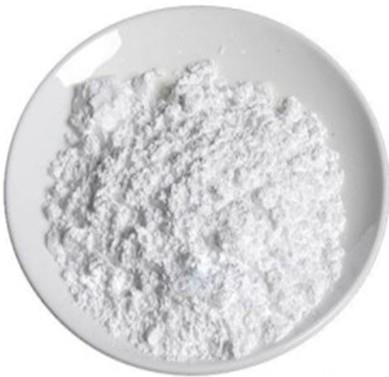
Lastest Price from Tilmicosin phosphate manufacturers
US $0.00/KG2026-03-31
- CAS:
- 137330-13-3
- Min. Order:
- 1KG
- Purity:
- 77%
- Supply Ability:
- 500KG

US $0.00/Kg/Drum2025-04-21
- CAS:
- 137330-13-3
- Min. Order:
- 25KG
- Purity:
- 75%min
- Supply Ability:
- 5 tons