Undecenoic Acid: Antifungal Use & Safety Assessment
Undecenoic acid is used on the skin to treat athlete’s foot, jock itch, and ringworm. Clean and dry your skin well before using Undecenoic acid. Wash your hands after using it. In recent years, research has illuminated its potential benefits in health, ecosystem dynamics, and even industrial processes. This underscores the necessity for a detailed examination of its chemical structure, synthesis pathways, and metabolic functions. Undecenoic acid should generally be stored at a temperature between 59 F and 86 F (15 C and 30 C). Some products have not been provided with storage requirement information on their packaging. Most medicines should be kept in a cool, dry location that is out of the reach of children and pets and not in direct sunlight.
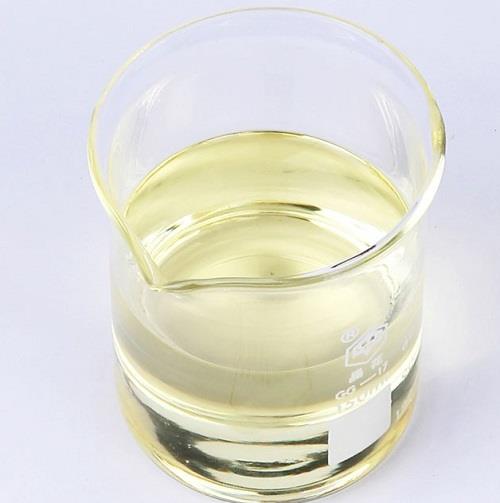
Undecenoic acid treatments for fungal infections of the skin and nails of the feet
About 15% of the population of the United Kingdomhave fungal infections of the foot. The main treatments are topical fungistatic or fungicidal preparations, some of which are available over the counter. We report a systematic review of randomised controlled trials of topical antifungal treatments for dermatophyte infections of the skin and nails of the foot, which were designed to assess efficacy and cost effectiveness. We considered all randomised controlled trials that evaluated topical treatments for fungal infections of the skin and nails of the foot. For skin infections we included only trials that used microscopy and culture to establish the presence of dermatophytes. So few trials compared azoles, Undecenoic acid, and tolnaftate directly that confidence intervals for their costs per cure must be on the basis of placebo controlled trials. Although there are only four such trials of it, their findings are much more homogeneous than trials of other drugs. Undecenoic acid therefore yields a significantly cheaper average cost per cure when purchased over the counter than azoles, and a much narrower confidence interval than tolnaftate. As azoles cost the NHS about half the retail price, however, there is no significant difference in NHS cost per cure, regardless of general practitioner’s time.[1]
Athlete’s foot is widespread and infectious. Initial treatment for most patients is a topical cream or ointment. Good evidence shows that allylamines, azoles, and Undecenoic acid are efficacious compared with placebo. Unfortunately there is little evidence to assess tolnaftate against placebo or to compare azoles, Undecenoic acid, and tolnaftate with each other. More trials compared allylamines with azoles. The resulting meta-analysis suggests that allylamines are generally more efficacious, with a relative risk of failure to cure of 0.88 (0.78 to 0.99). In summary there is little evidence to differentiate between three popular over the counter topical treatments for fungal skin infections. Azoles may be more efficacious than tolnaftate. They seem, however, no more efficacious than this acid. Evidence shows that allylamines are slightly more efficacious than azoles and other over the counter treatments but at much greater cost. Thus we recommend initial treatment, and the use of allylamines only if that fails.
Safety assessment of undecenoic acid
Undecenoic acid was assessed in the BlueScreen assay and found positive for cytotoxicity (positive: <80% relative cell density) and negative for genotoxicity, with and without metabolic activation (RIFM, 2013). BlueScreen HC is a human cell-based assay for measuring the genotoxicity and cytotoxicity of chemical compounds and mixtures. Additional assays were considered to fully assess the potential mutagenic or clastogenic effects of the target material. The mutagenic activity of undecenoic acid has been evaluated in a bacterial reverse mutation assay conducted in compliance with GLP regulations and equivalent to OECD TG 471 using the standard plate incorporation method. Salmonella typhimurium strains TA98, TA100, TA1535, TA1537, and TA1538 were treated with undecenoic acid in dimethyl sulfoxide (DMSO) at concentrations up to 5000 μg/mL. No increases in the mean number of revertant colonies were observed at any tested concentration in the presence or absence of S9 (
ECHA, 2010). Under the conditions of the study, undecenoic acid was not mutagenic in the Ames test.[2]
The phototoxicity/photoallergenicity endpoints were evaluated based on ultraviolet (UV) spectra; 10-undecenoic acid is not expected to be phototoxic/photoallergenic. The local respiratory toxicity endpoint was evaluated using the Threshold of Toxicological Concern (TTC) for a Cramer Class I material, and the exposure to 10-undecenoic acid is below the TTC (1.4 mg/day). The environmental endpoints were evaluated; 10-undecenoic acid was found not to be persistent, bioaccumulative, and toxic (PBT) as per the International Fragrance Association (IFRA) Environmental Standards, and its risk quotients, based on its current volume of use in Europe and North America (i.e., Predicted Environmental Concentration/Predicted No Effect Concentration [PEC/PNEC]), are <1.
References
[1]Hart R, Bell-Syer SE, Crawford F, Torgerson DJ, Young P, Russell I. Systematic review of topical treatments for fungal infections of the skin and nails of the feet. BMJ. 1999 Jul 10;319(7202):79-82. doi: 10.1136/bmj.319.7202.79. PMID: 10398626; PMCID: PMC28154.
[2]Api, A M et al. “RIFM fragrance ingredient safety assessment, 10-undecenoic acid, CAS Registry Number 112-38-9.” Food and chemical toxicology : an international journal published for the British Industrial Biological Research Association vol. 141 Suppl 1 (2020): 111380. doi:10.1016/j.fct.2020.111380

You may like
See also
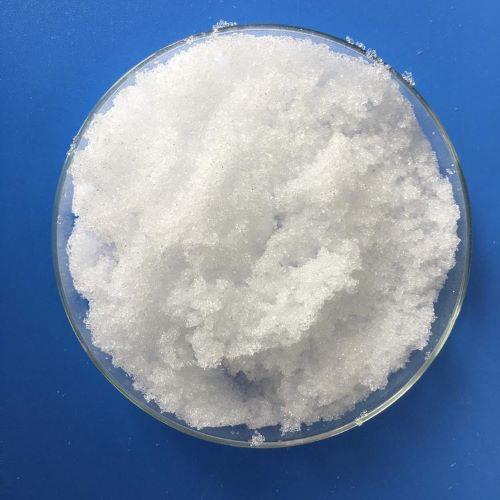
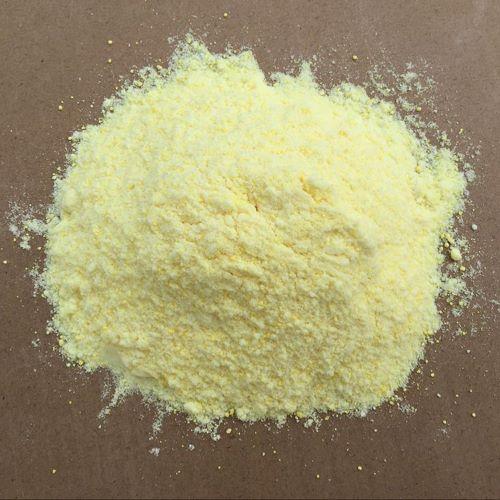
Lastest Price from Undecenoic acid manufacturers

US $1.00/kg2025-04-21
- CAS:
- 112-38-9
- Min. Order:
- 1kg
- Purity:
- 99%
- Supply Ability:
- 10 mt
US $0.00/KG2025-04-15
- CAS:
- 112-38-9
- Min. Order:
- 1KG
- Purity:
- 99%
- Supply Ability:
- 500000kg