What are the biological functions of glycerol?
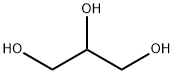
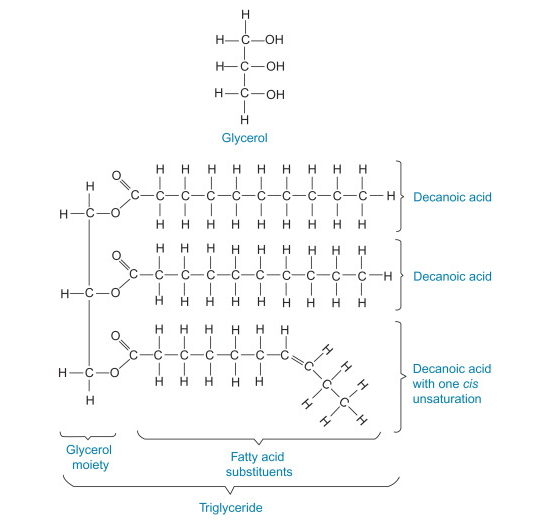
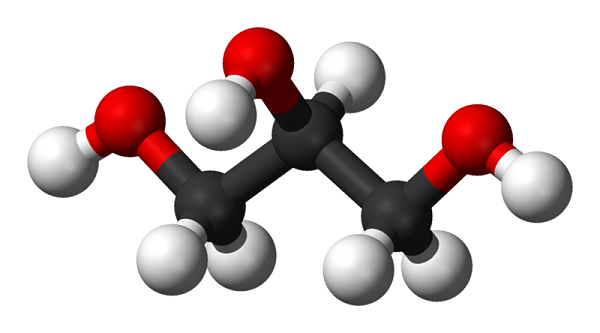
Glycerol is a key metabolite at the intersection of carbohydrate, lipid and energy metabolism. Its synthesis and utilisation are organism-specific and cell-type-specific. Glycerol possesses unique physicochemical properties that enable it to act as an osmotic regulator, protein stabiliser, antimicrobial agent and antifreeze, making it essential for maintaining a wide range of biological functions. It is also involved in numerous physiological and pathological processes related to energy metabolism, thermoregulation, hydration, skin health, male fertility, ageing and cancer. In the food, pharmaceutical and cosmetics industries, it is used as a sweetener, preservative, thickener, humectant, osmotic regulator and antifreeze agent. It is also widely used in skin and wound care products, laxatives, cell and tissue preservation, and medications for a variety of diseases.
Related articles And Qustion
See also
Lastest Price from Glycerol manufacturers
US $0.00-0.00/KG2025-09-28
- CAS:
- 56-81-5
- Min. Order:
- 1KG
- Purity:
- 99.0%
- Supply Ability:
- 1000KG/month
US $1.00-4.00/KG2025-09-08
- CAS:
- 56-81-5
- Min. Order:
- 1KG
- Purity:
- 99%
- Supply Ability:
- 200000KG