What are the biological functions of L-serine?
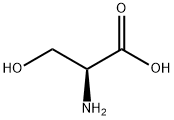
L-serine is a non-essential amino acid (NEAA) synthesised in the body from glycine and 3-phosphoglycerate. It performs a variety of functions, including the production of small molecules involved in cellular metabolism; for example, it acts as a precursor for the synthesis of amino acids, nucleotides, neurotransmitters and phospholipids, and as a methyl donor for protein and DNA synthesis. Serine plays a key role in the regulation of the immune system and disease prevention. Serine metabolism inhibits ATP6V0D2-mediated YAP lysosomal degradation, thereby regulating the innate antiviral immune response. Furthermore, L-serine has been shown to have beneficial effects in the treatment of neurological disorders (such as depression, schizophrenia, chronic fatigue syndrome and intellectual disabilities) as well as alcoholic and non-alcoholic fatty liver disease. Supplementation with L-serine is essential for maintaining normal protein synthesis, metabolism and neurological function. In addition to these physiological functions, it is widely used as a humectant and antioxidant in pharmaceuticals, sports drinks and cosmetics.
You may like
Related articles And Qustion

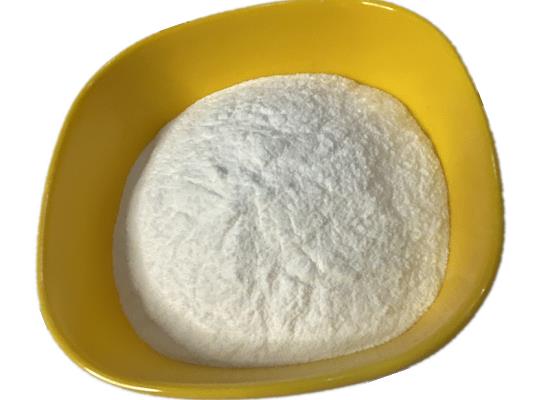
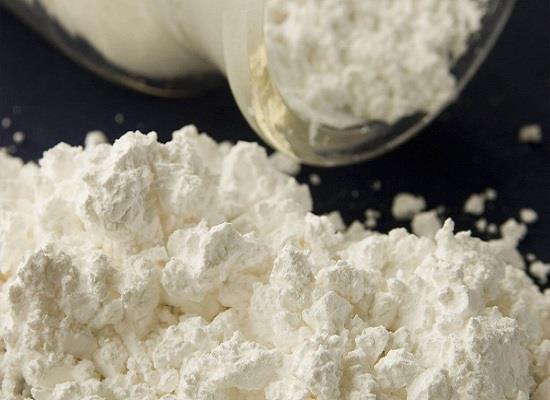
Lastest Price from L-Serine manufacturers

US $0.00/KG2026-01-14
- CAS:
- 56-45-1
- Min. Order:
- 500KG
- Purity:
- 99.99%
- Supply Ability:
- 20000 KG

US $0.00-0.00/kg2025-05-12
- CAS:
- 56-45-1
- Min. Order:
- 1kg
- Purity:
- 99%min
- Supply Ability:
- 10 tons