What does IPTG do to E. coli?
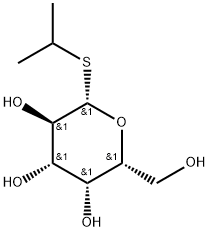
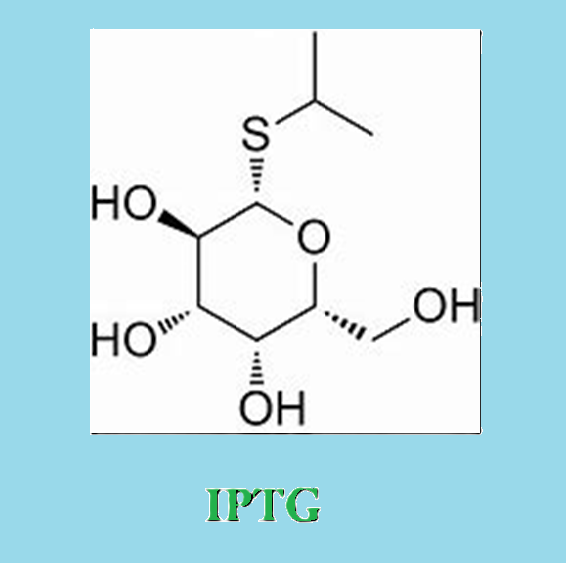
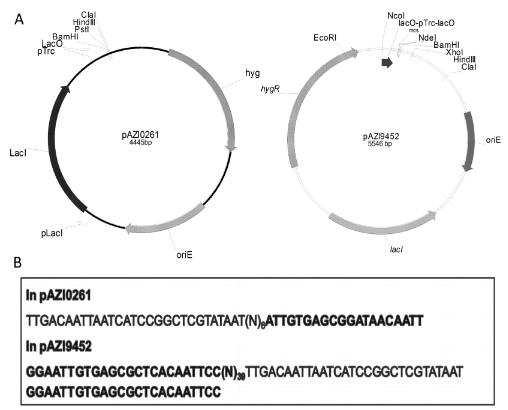
IPTG, full name isopropyl β-D-1-thiogalactopyranoside, is a synthetic molecular mimic of allolactose and a widely used inducer in molecular biology. When added to cultures of engineered Escherichia coli, IPTG binds to the lac repressor protein and changes its conformation, releasing it from the operator region of the lac operon. This de-repression allows RNA polymerase to transcribe downstream target genes that are under the control of the lac promoter or its derivatives such as T7-lac, thereby efficiently inducing the expression of recombinant proteins in E. coli. Unlike natural lactose, IPTG cannot be metabolized by E. coli, so its concentration remains stable during induction, ensuring consistent and sustained gene expression without being degraded by bacterial enzymes.
You may like
Related articles And Qustion
See also
Lastest Price from IPTG manufacturers
US $5.00-2.00/kg2026-01-22
- CAS:
- 367-93-1
- Min. Order:
- 0.001kg
- Purity:
- 99.99%
- Supply Ability:
- 1000000000KG
US $0.00/Kg/Bag2025-04-21
- CAS:
- 367-93-1
- Min. Order:
- 1KG
- Purity:
- 98%min
- Supply Ability:
- 500KG