What is the mechanism of toxicity of sodium saccharin dihydrate in fruit flies?
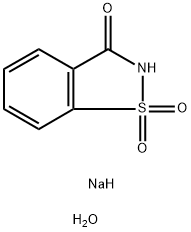
Saccharin sodium dihydrate (saccharin) is a water-soluble food additive that is relatively safe for both humans and the environment. Studies have confirmed that saccharin can inhibit the development of vinegar fruit flies (VF) and spotted wing fruit flies (SWD) in a dose-dependent manner, or kill them directly. Furthermore, it has been found that low concentrations of saccharin produce effects on fruit flies similar to those of starvation, whilst high concentrations of saccharin induce changes in the unfolded protein response (UPR) and autophagy signalling pathways distinct from those caused by starvation, thereby inhibiting the development of vinegar fruit flies and spotted wing fruit flies or leading to their death. Spinosad is a plant protection product widely used for the control of spotted-wing drosophila. When saccharin was applied in combination with 0.25–1.0 ppm spinosad, synergistic insecticidal activity was observed only at high concentrations of saccharin. However, when saccharin was applied in combination with 2.0 ppm spinosad, synergistic insecticidal activity was observed even at low concentrations of saccharin. In summary, alterations in the UPR and autophagy signalling pathways constitute the molecular basis for saccharin’s toxicity to fruit flies, whilst the combined application of insecticides and saccharin enhances insecticidal activity.
You may like
See also
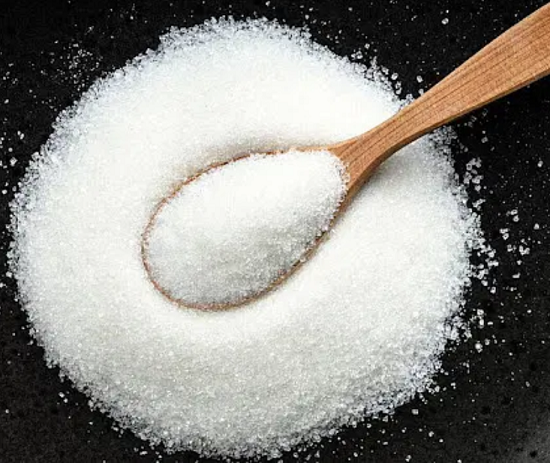
Lastest Price from Saccharin sodium dihydrate manufacturers

US $0.00-0.00/kgs2025-06-28
- CAS:
- 6155-57-3
- Min. Order:
- 25kgs
- Purity:
- ≥99.0%
- Supply Ability:
- 100 tons
US $1.00/PCS2025-04-21
- CAS:
- 6155-57-3
- Min. Order:
- 1PCS
- Purity:
- 99%
- Supply Ability:
- 10mt