What is the source of glyoxal’s toxicity to humans?
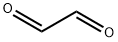
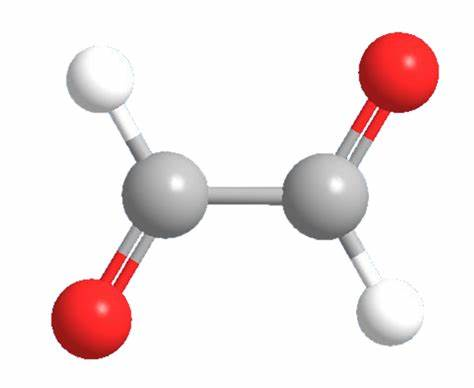
Glyoxal is a small-molecule dialdehyde and a physiologically active α-keto-aldehyde metabolite produced by lipid peroxidation and the auto-oxidation of glucose. It serves as an intermediate in pharmaceutical and dye manufacturing. It is also present in food and beverages as a result of fat oxidation and the browning of sugars. Humans are exposed to this substance through inhalation, skin contact and the ingestion of foods containing glyoxal. Glyoxal is cytotoxic, primarily due to its high concentration and its strong reactivity with proteins, lipids and nucleic acids. Research findings indicate that glyoxal increases the osmotic sensitivity of red blood cells, alters the levels of glutathione and free functional groups within haemolysate proteins, and affects the activity of antioxidant enzymes. It is a compound that is highly toxic to human red blood cells. Concentrations of glyoxal exceeding 5 mM can cause functional alterations in red blood cell proteins and disrupt the intracellular redox balance.
You may like
Related articles And Qustion
See also
Lastest Price from Glyoxal manufacturers
US $100.00-20750.00/KG2025-06-06
- CAS:
- 107-22-2
- Min. Order:
- 1KG
- Purity:
- 40%
- Supply Ability:
- 10 ton

US $0.00/Kg/Drum2025-04-21
- CAS:
- 107-22-2
- Min. Order:
- 1KG
- Purity:
- 40%
- Supply Ability:
- 20 tons